Size and adjustments: the essentials of a ski helmet.
Choosing the right size helmet and adjusting it properly is essential to ensure optimal protection on and off the slopes. To do this, you need to follow a few steps, which we describe here!
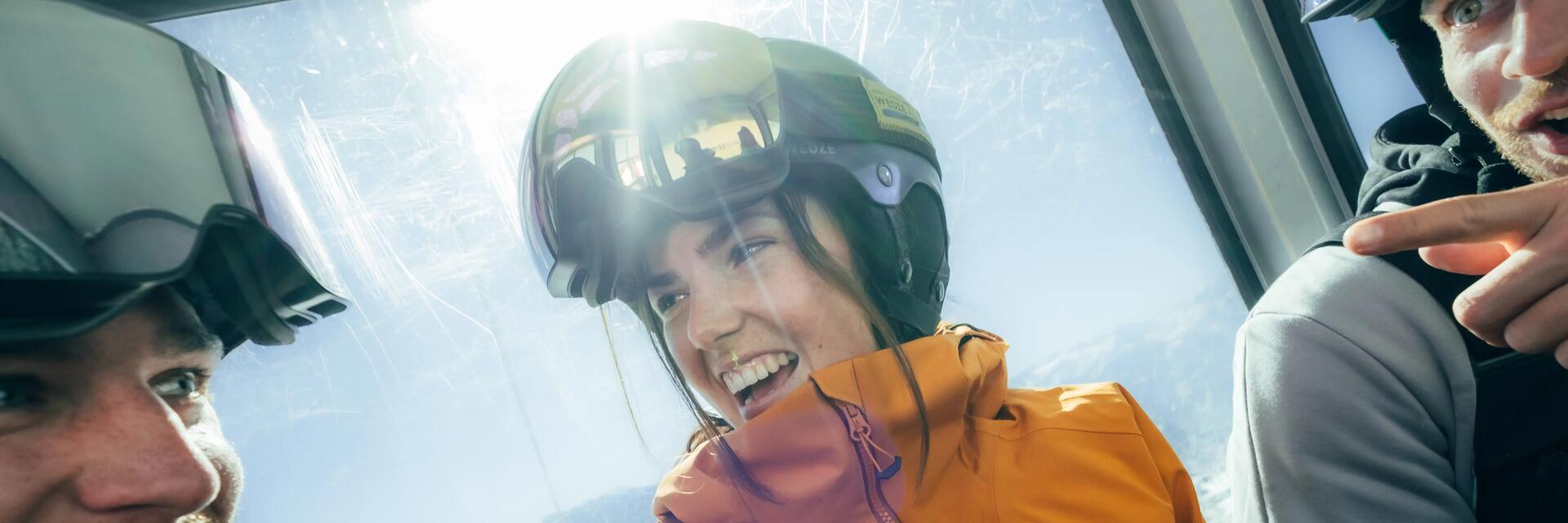
A ski helmet is an essential safety item on the slopes or freeriding. It can be difficult to find the right helmet, goggles or visor... We explain everything here!
Whether you're skiing, snowboarding or freeriding, protecting your head is a must. A helmet is essential equipment for your safety. Size, model, price, visor or goggles, there are many options. We can help you find the one that suits your sport and your needs.
Choosing the right size helmet and adjusting it properly is essential to ensure optimal protection on and off the slopes. To do this, you need to follow a few steps, which we describe here!
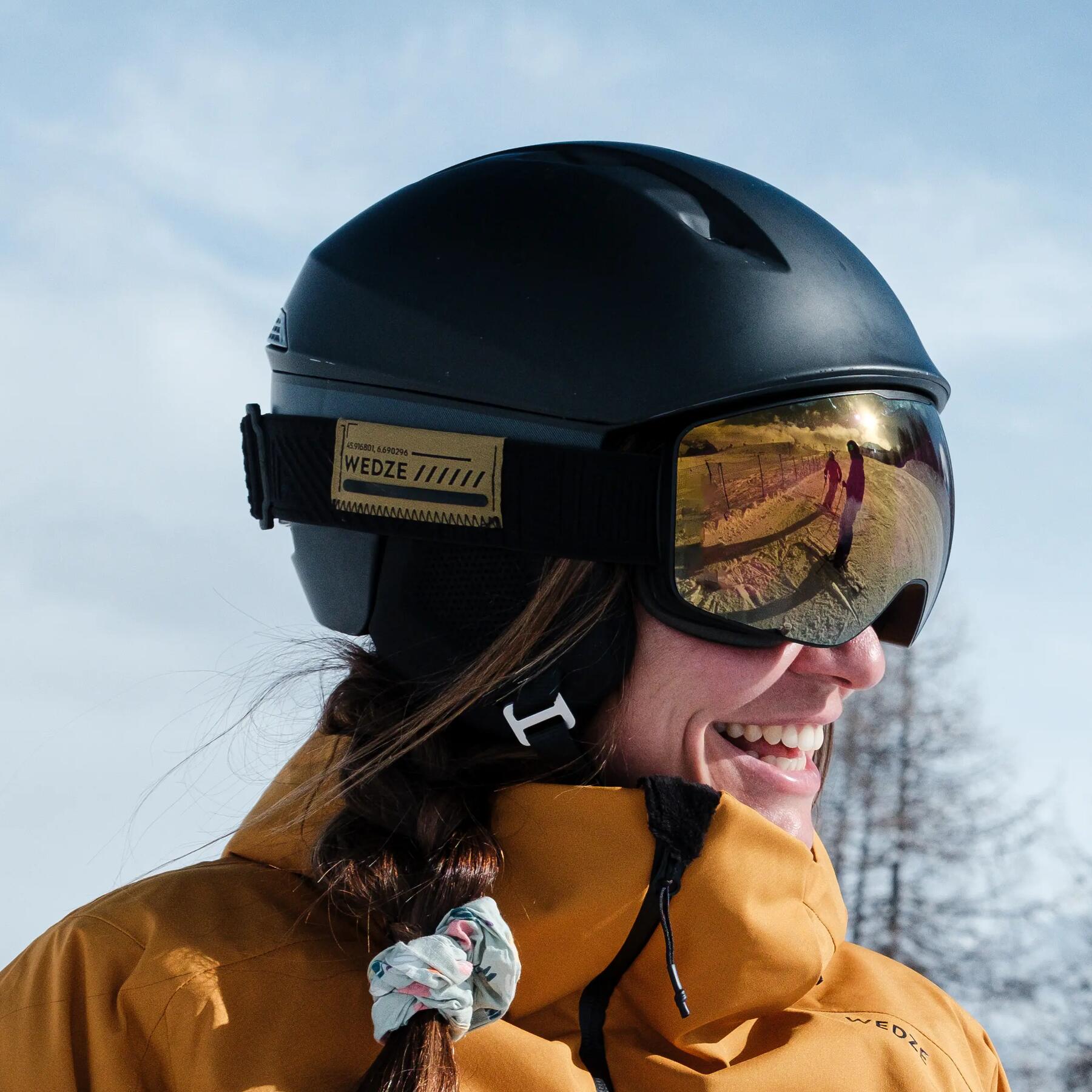
A helmet that fits your head shape guarantees both comfort and safety. To start, measure the circumference of your head with a tape measure: Place it over your ears, eyebrows and the widest part of the back of your head (on the occiput) to measure the widest circumference. If you don't have a tape measure, use a shoelace and measure with a ruler.
At Decathlon, we offer the following sizes:
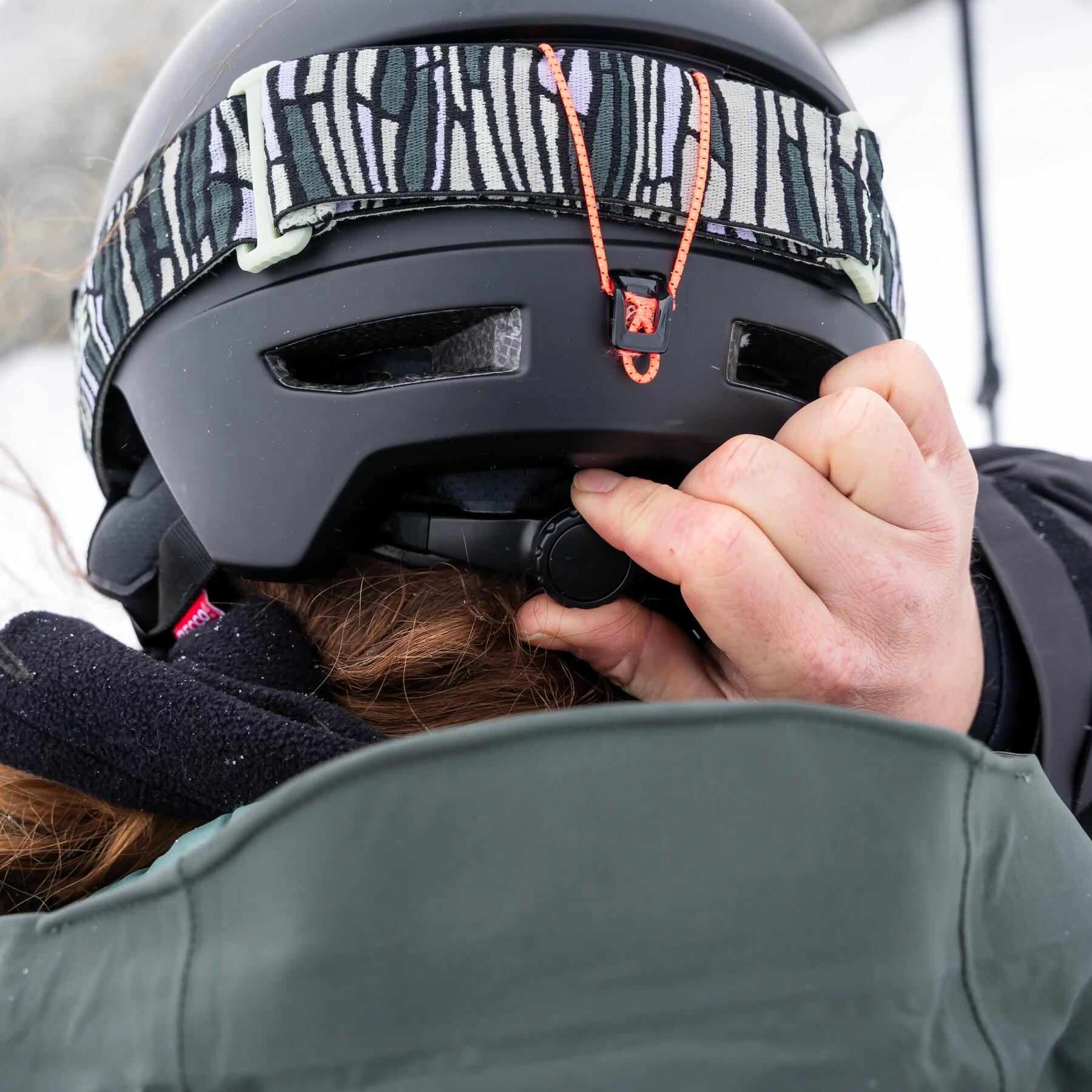
Once you have found the right size, you need to adjust the helmet correctly. All our models are equipped with an adjustment dial at the back to fit the shape of the skull. This ensures a secure fit without pressure points.
Then adjust the chin strap: it should fit under the chin without feeling tight. You should be able to slide two fingers between your skin and the strap. If it is too loose, it compromises the fit and therefore the protection in the event of a fall.
It is necessary to change your ski helmet. The impact can greatly reduce its resistance and therefore your protection in the event of an accident. Apart from these circumstances, it is recommended that you change your equipment every 5 years. Although the adjustments are similar for children's helmets, you need to know how to fit it correctly. See our article on how to choose a kids’ ski helmet!
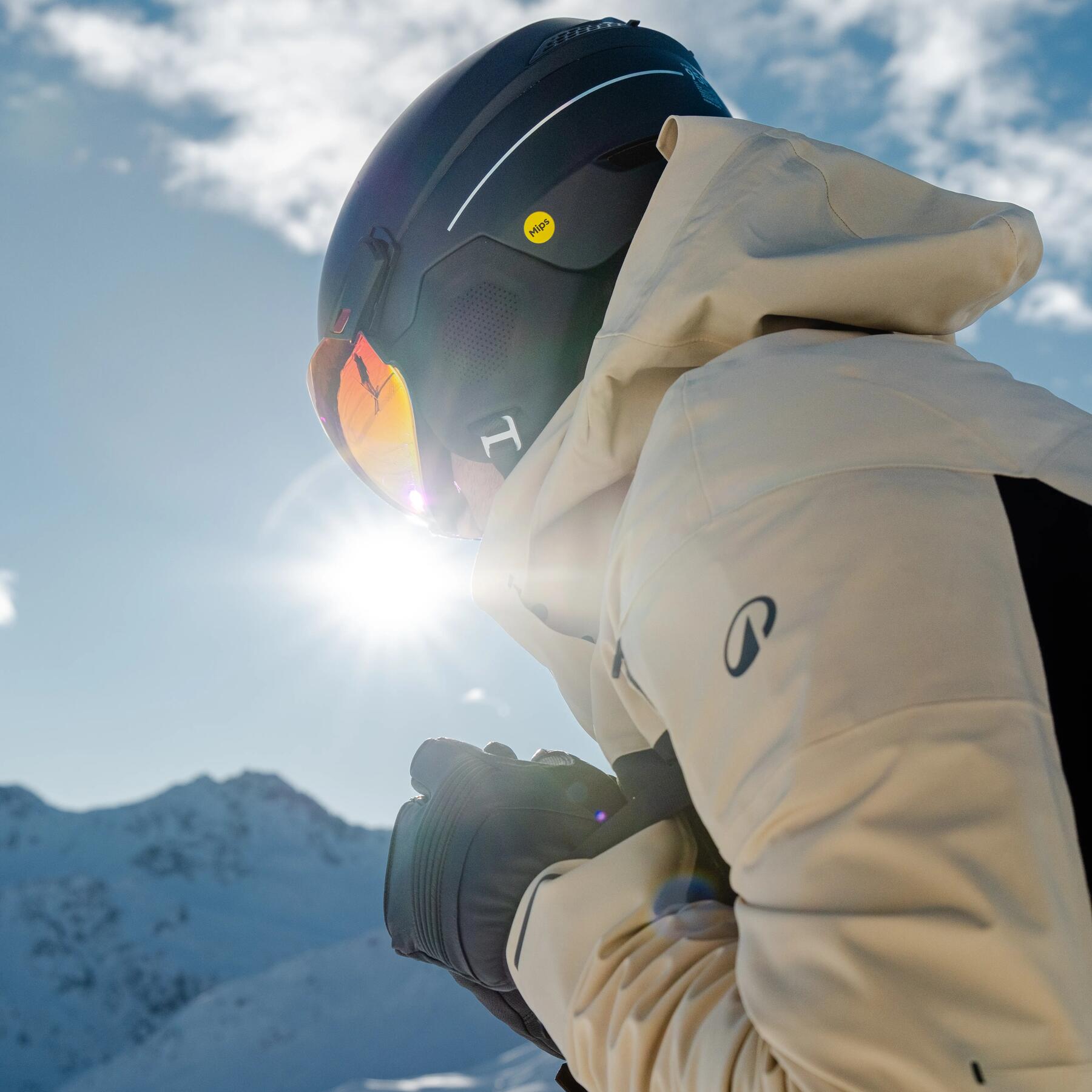
Some of our ski helmets are equipped with MIPS® technology: Multi-Directional Impact Protection System. This technology aims to reduce the rotational energy of an impact and thus limit the risk of brain injury. The low-friction layer (yellow layer under the helmet liner) allows multi-directional movement of 10 to 15 mm during certain oblique impacts. This is to reduce the rotational force transmitted to the head and brain.
Once you have mastered the settings, you can focus on criteria according to your preferences. Today, there are two types on the market: classic helmets and visor helmets. There's no rule here, both have their advantages: the choice is yours!
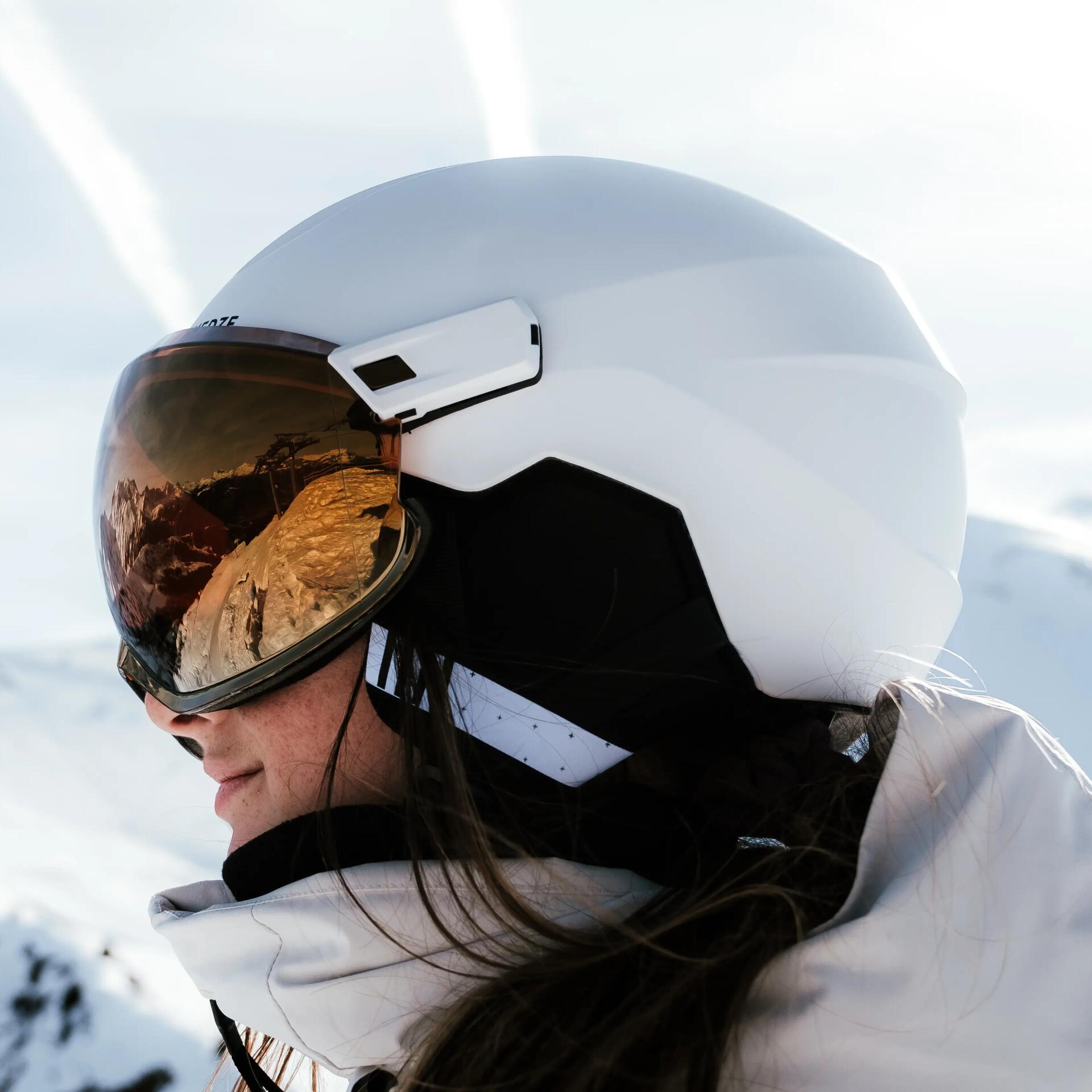
Ski helmet with visor
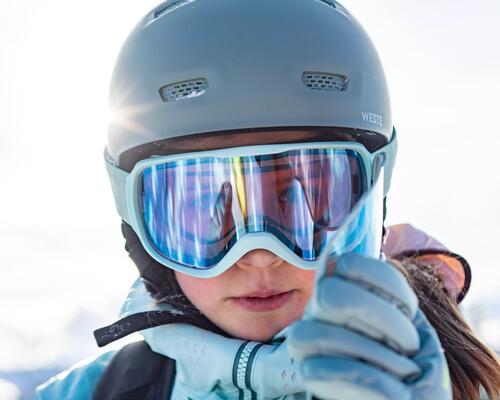
More and more common on and off the slopes, ski helmets with visors have a number of positive points. Those who are forgetful will not leave their goggles at home, and glasses wearers will appreciate the comfort of being able to wear them without discomfort while skiing. The visors are interchangeable, ensuring good visibility in all weather conditions. Finally, ski helmets with visors often offer a wider field of vision and therefore tighter blind spots. More safety, more visibility = more thrills!
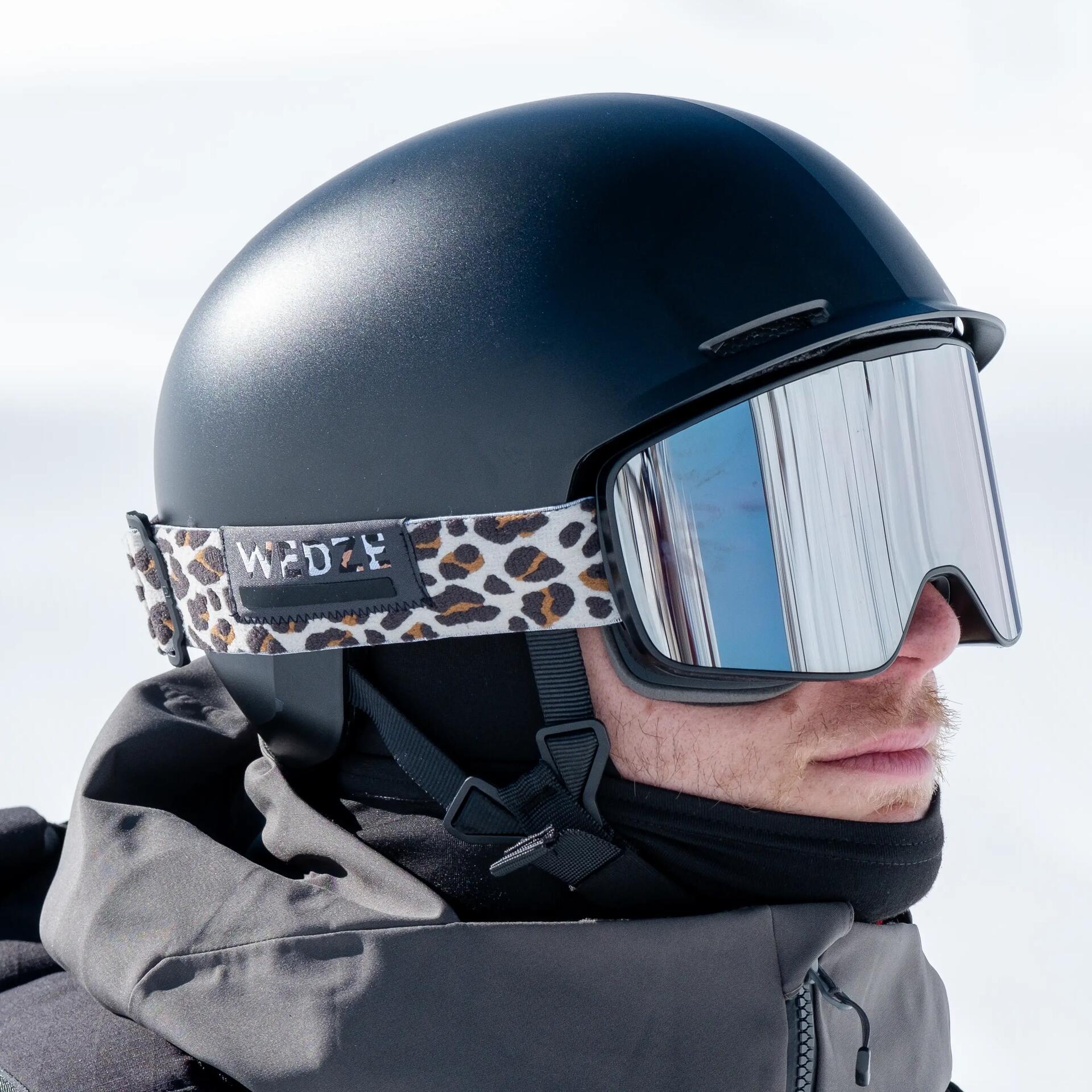
Classic ski helmet
Without a built-in visor, the helmet must be worn with suitable ski goggles. Try them on together to avoid draughts. Choose ski goggles rather than glasses, which offer less protection and may break and injure you in the event of a fall.
Once you have chosen your helmet model and adjusted it correctly, you can then consider a few accessories, particularly for your comfort, which may vary depending on the price of the products.
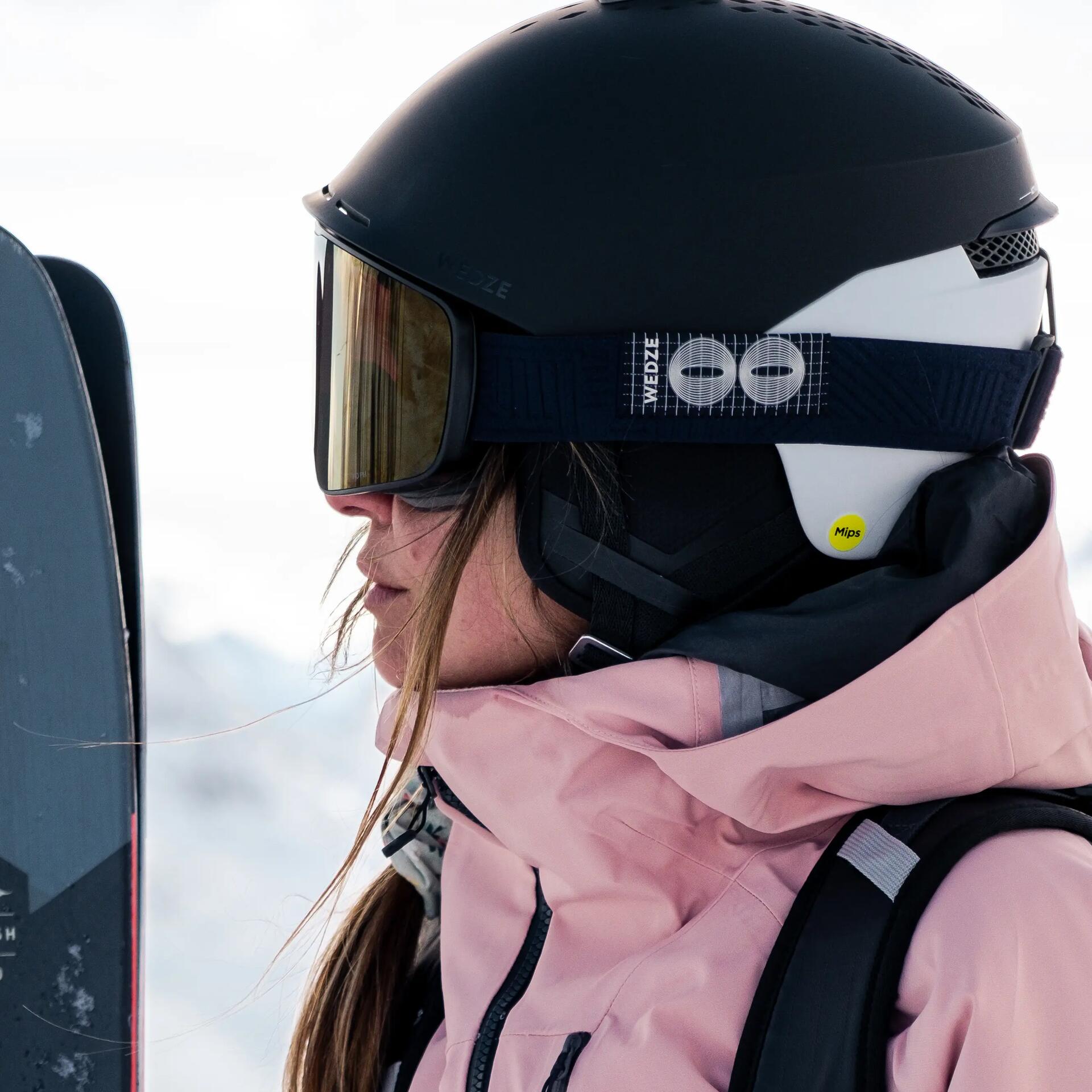
Ears
Your comfort and hearing ability may vary depending on whether the ears are flat or "3D". Make sure you don't feel any discomfort when you try them on: no one wants a twisted ear to spoil the fun on the slopes!
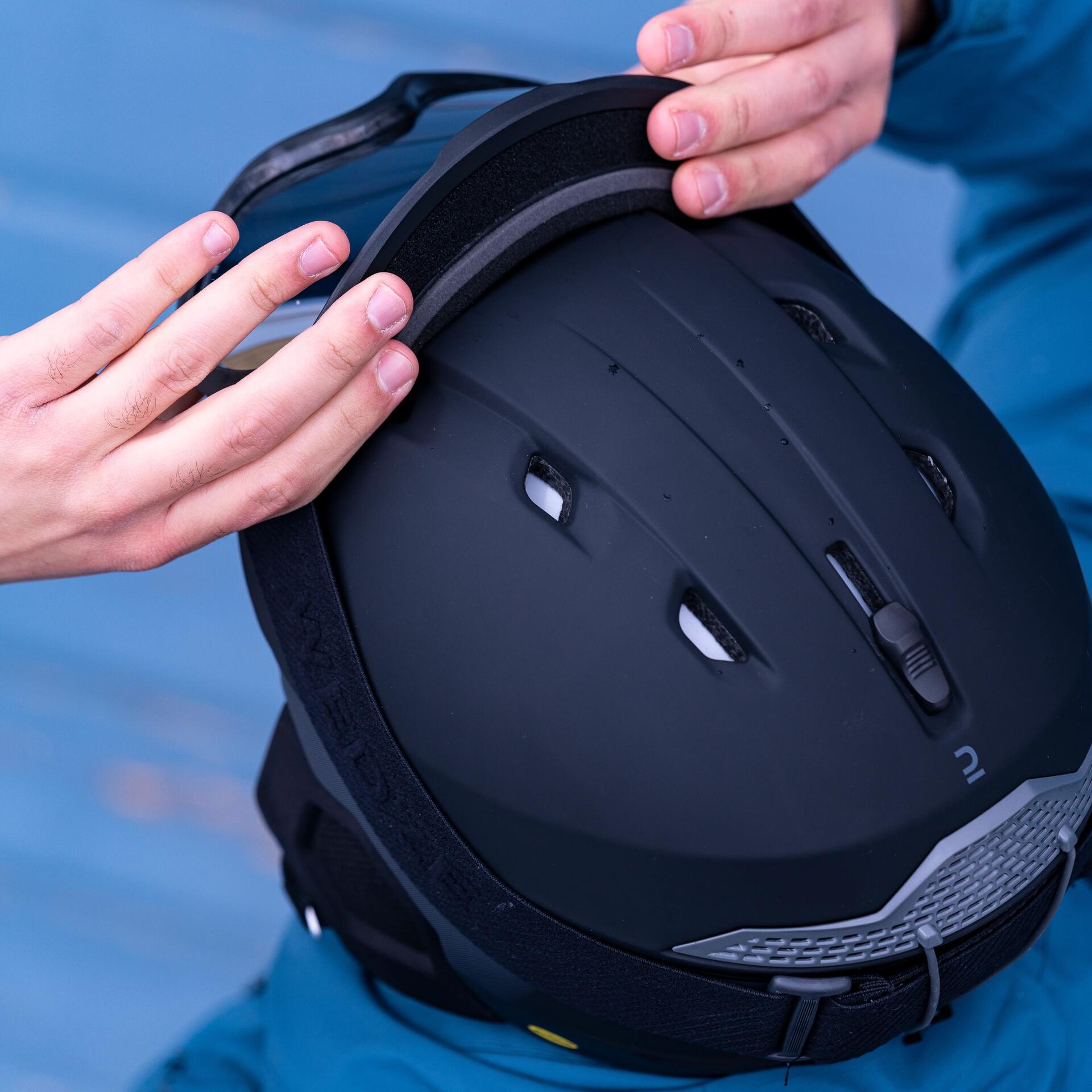
Ventilation
Depending on how intensely you ski, you can opt for a helmet with more or less ventilation. Some have fixed ventilation, others are adjustable.
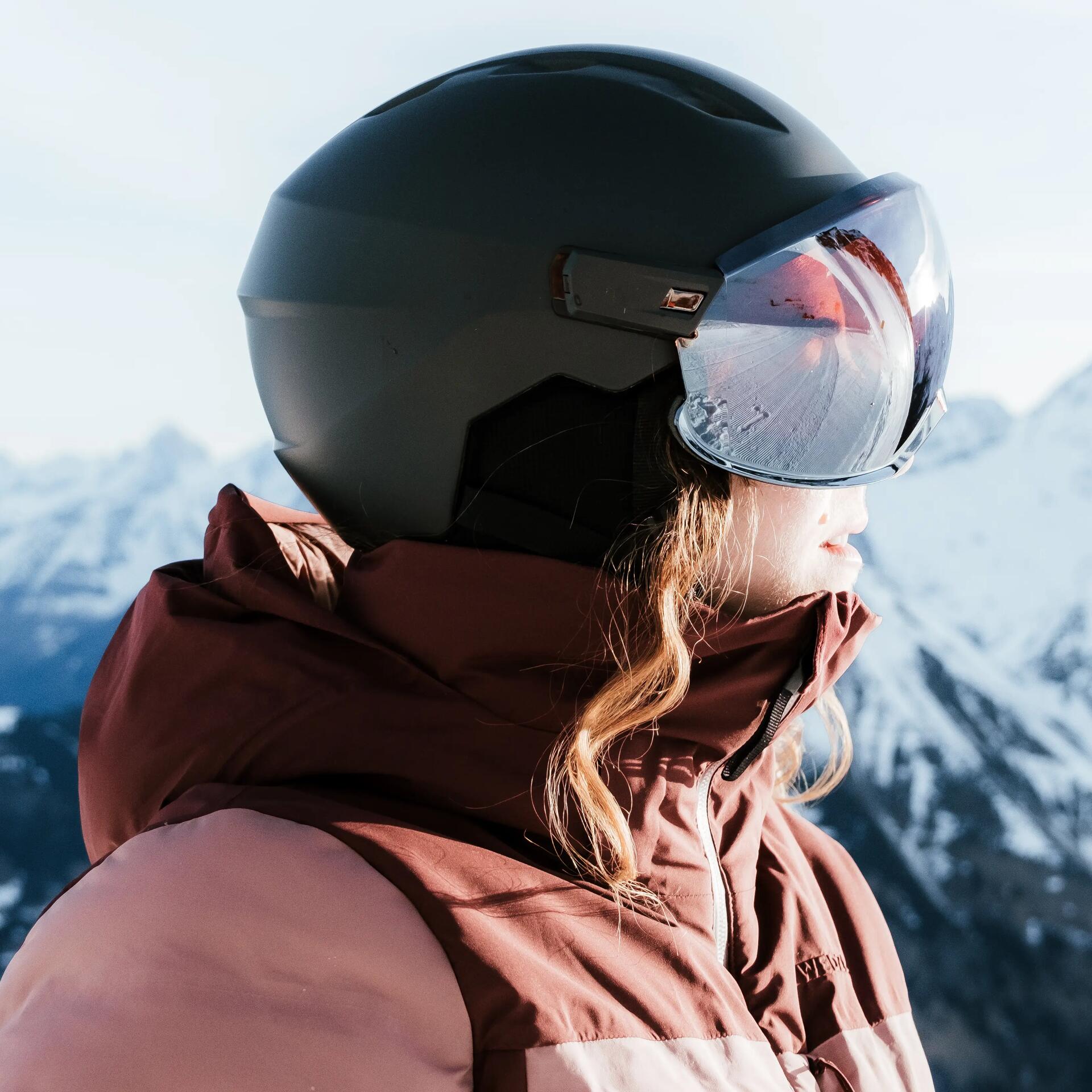
Lining
It is easily detachable and washable in all our helmets. This is a good opportunity to remind you to only wear very thin hats under a helmet in very cold weather: any additional object can alter the apprehension of the impact and therefore alter the protection.
Now you know the (not so secret) secrets to choosing the ideal helmet for snow sports. If you really want to know EVERYTHING, let's talk technology and standards! There are three technologies used in helmet construction.
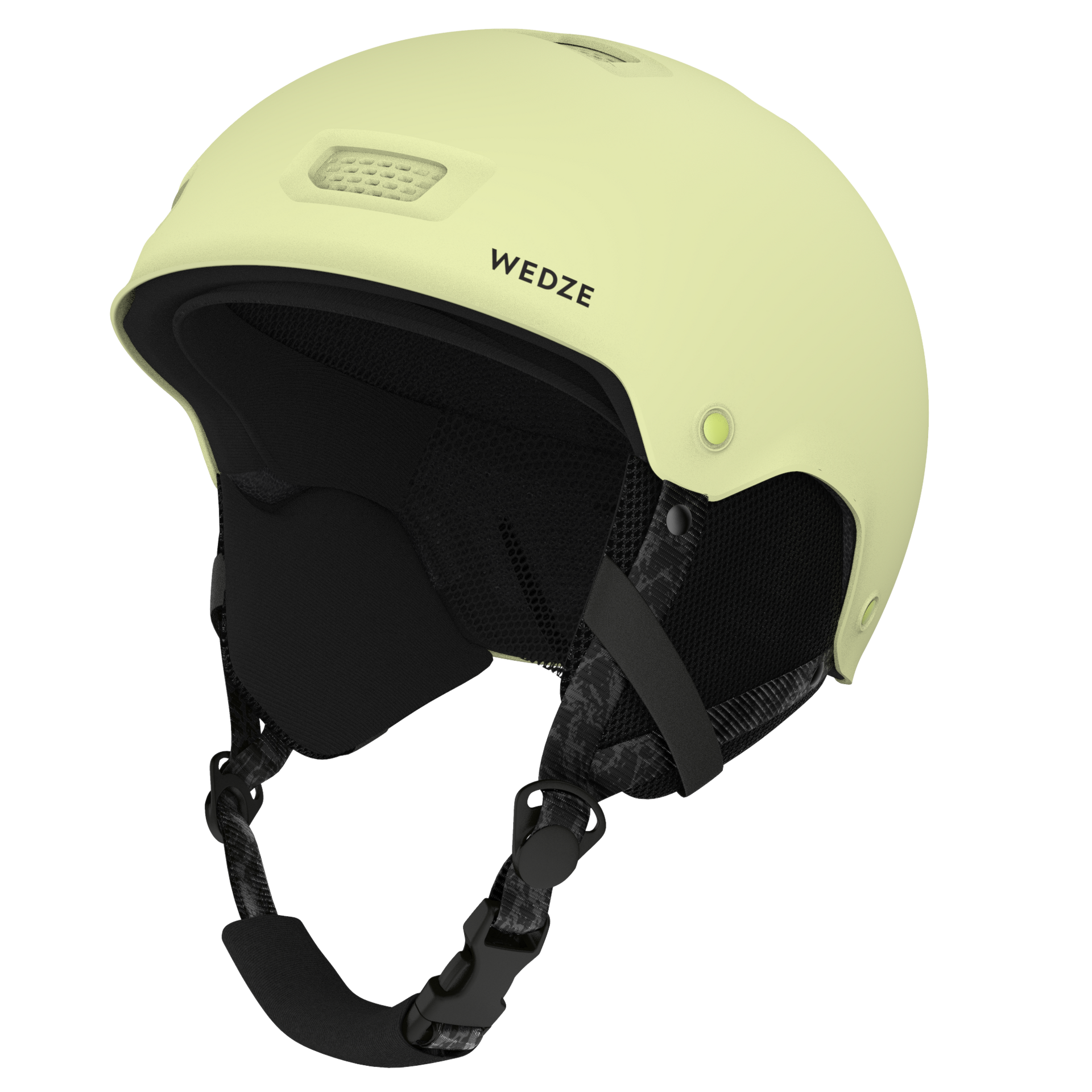
ABS TECHNOLOGY
A ‘hard’ outer layer surrounds the inner EPS (polystyrene) layer. This is the most common construction on the market. It is ideal for beginners and young riders.
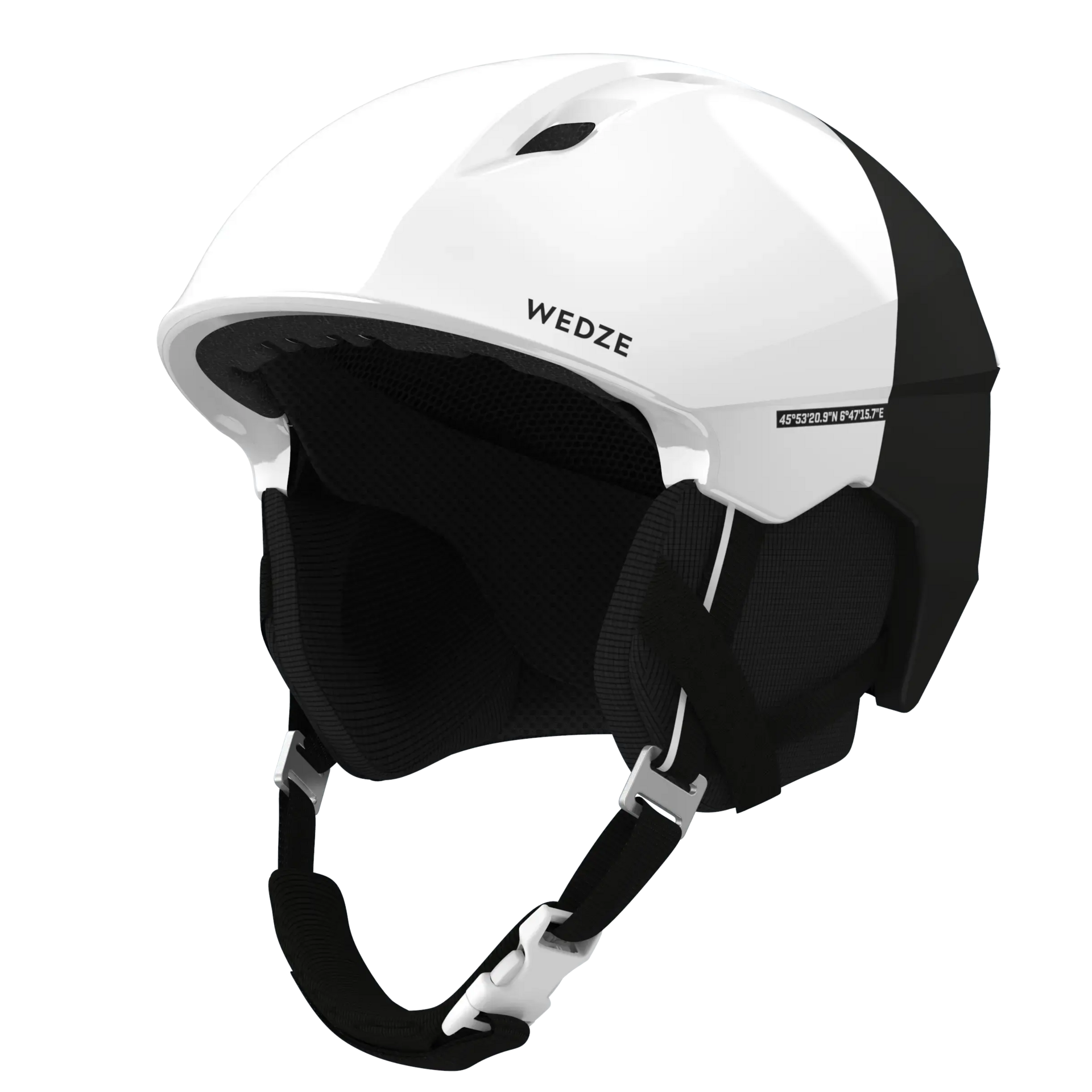
IN-MOLD TECHNOLOGY
The outer layer is made of polycarbonate, moulded directly onto the inner shell. The result is lighter than its ABS counterpart, and the level of protection is equivalent, however In-Mold helmets are more "fragile": the outer shell is more sensitive to everyday knocks.
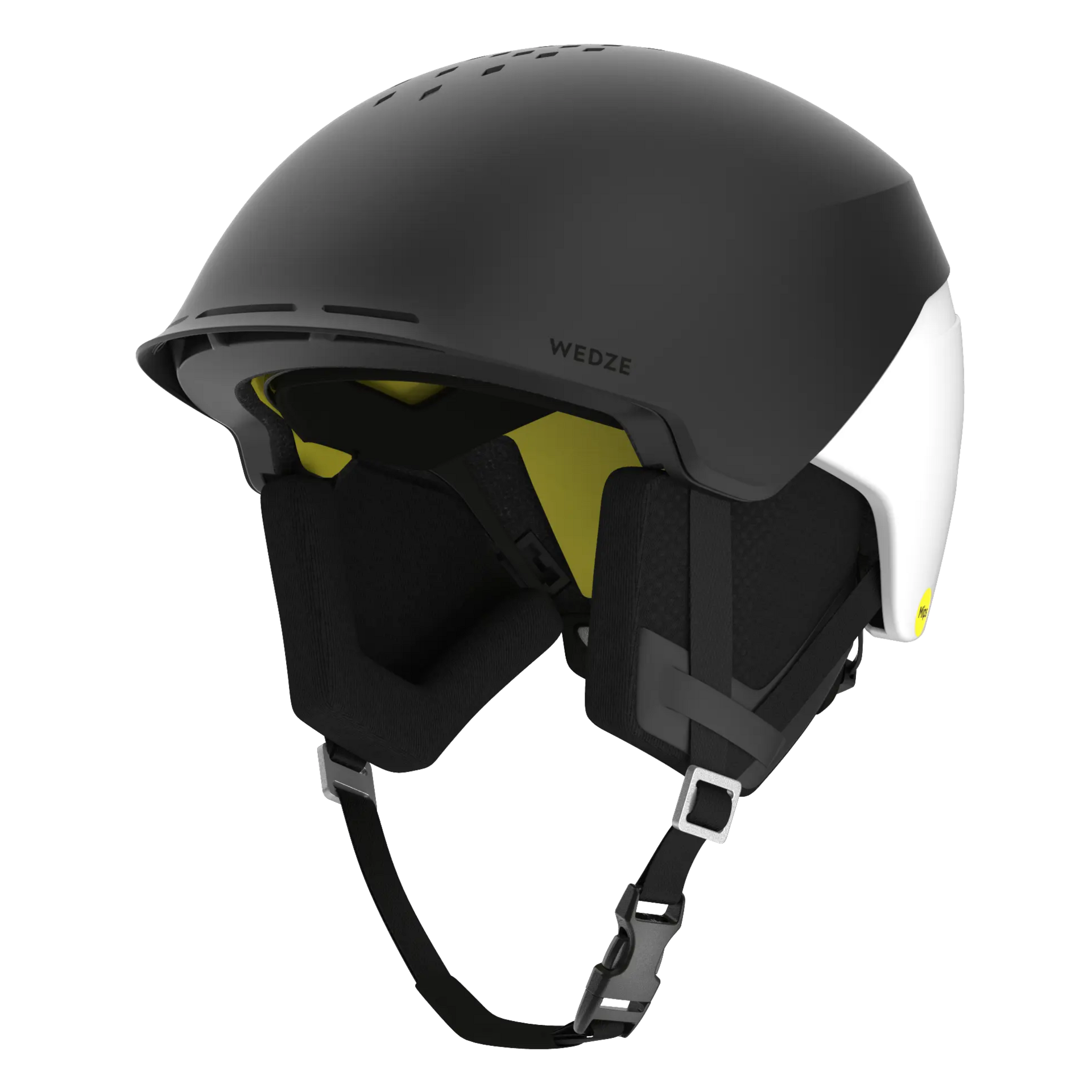
Hybrid technology
You may be surprised to learn that it is a combination of the two previous technologies! The top of the helmet ismade of ABS and the bottom is In-Mold construction. This helmet will appeal to freeride enthusiasts, protecting them from external objects they may encounter off-piste (branches, stones, etc.) while being lighter than a 100% ABS helmet.
Are you still there? Let's finish with a quick look at the legislation concerning ski helmets! In fact, this category of product must comply with a very precise framework by conforming to standard EN 1077:2007, which is specific to ski and snowboard helmets. Of course, all our helmets comply with the legislation. There are 2 standards:
That's it, this time we can say that you know everything about everything! We'll just add the last word, because we can never say it enough: whether you're skiing or snowboarding, on the slopes, freeriding, or ski touring, ALWAYS wear a helmet. And a useful reminder: after a fall, remember to replace your ski helmet, even if it does not appear to be damaged. The interior may have been damaged.
Check out our selection of ski helmets: all prices, for all levels and all riders!
Whether skiing or snowboarding, always wear a helmet! Remember to replace it after any impact, even if it looks fine. Choose the right fit and enjoy the slopes safely!

Hiking in summer, skiing in winter, at altitude all year round