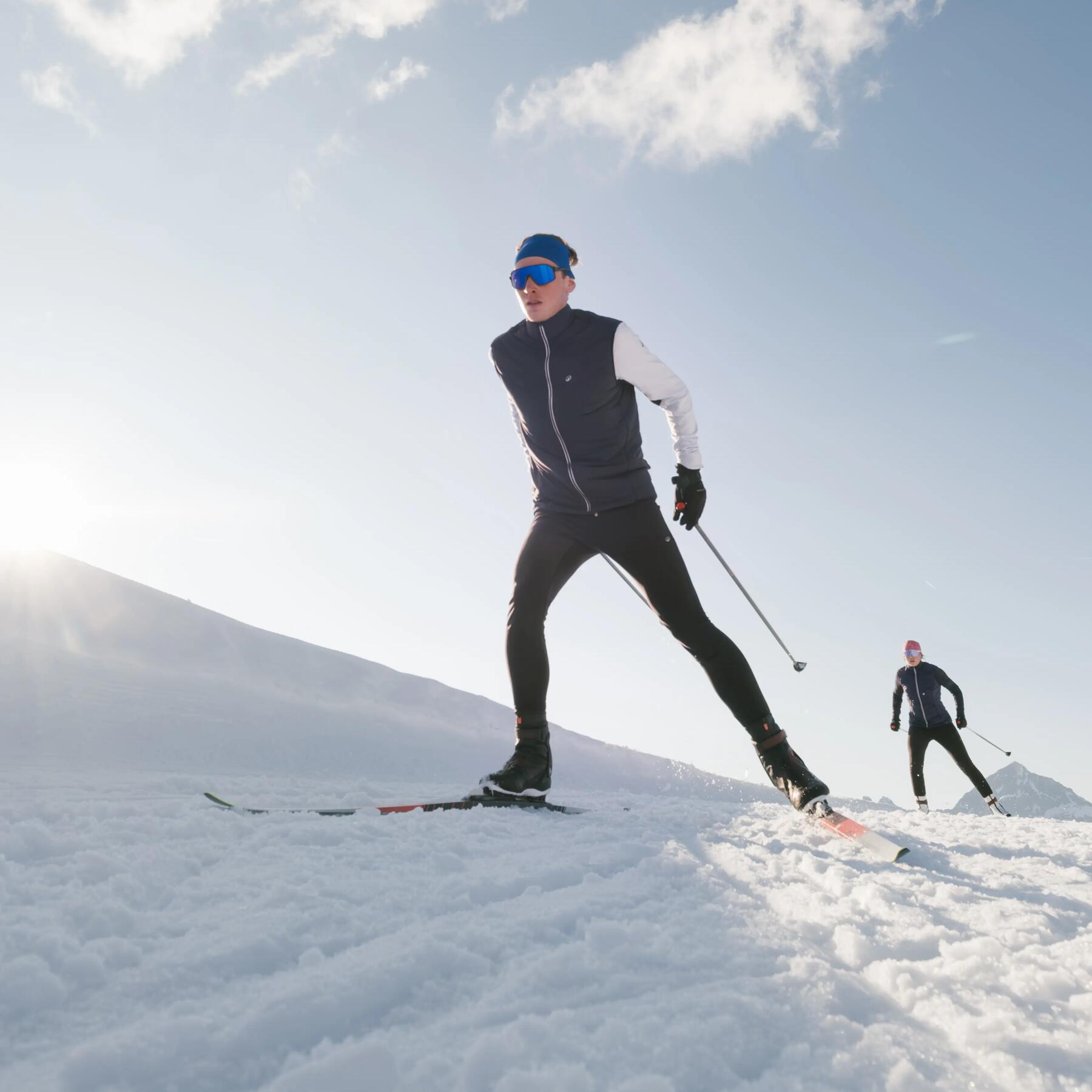
How to choose a skate ski touring equipment

How to choose a skate cross-country skiing equipment?

Find out how to choose your skate cross-country skiing equipment: skis, boots, poles and accessories to get the most out of your skiing experience.

Skating skiing is the explosive, athletic version of skate cross-country skiing. It requires stamina, a bit of technique and good physical condition. But in return, it offers a lively, fluid skiing experience that will put a smile on your face even when the temperature drops. Each push becomes a new start, each stride a new acceleration, and very quickly you find yourself carried away by the rhythm. To fully enjoy these sensations, choosing the right equipment is essential.

Suitable skis, well-fitting boots, compatible bindings, the right size poles, a well-prepared ski base... everything plays a part in your balance and the quality of your glide. Don't panic: we'll guide you step by step, whether you're a curious beginner or an experienced skier looking to improve your performance.

Explanation of skate ski touring

Skating, or classic cross-country skiing: explanation

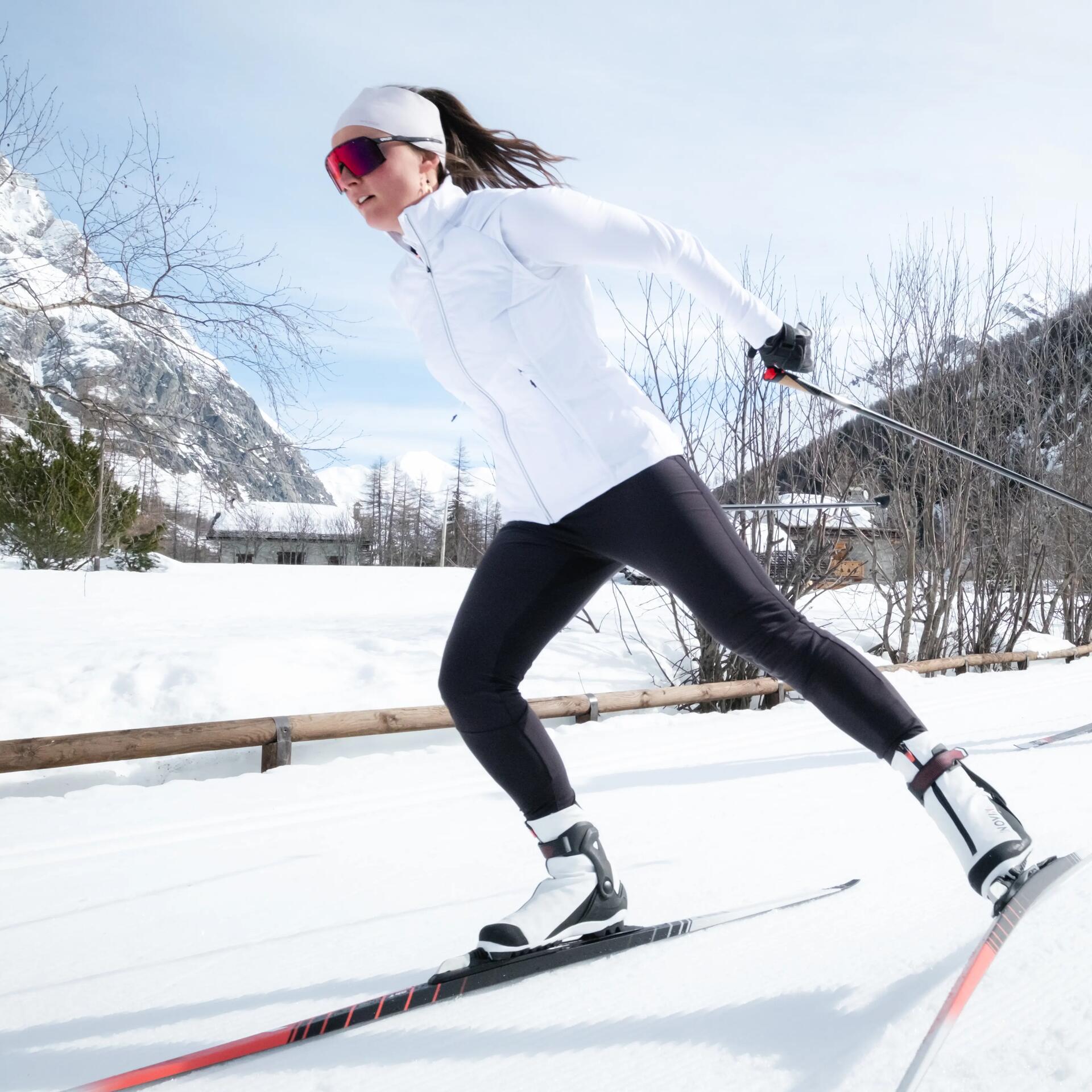
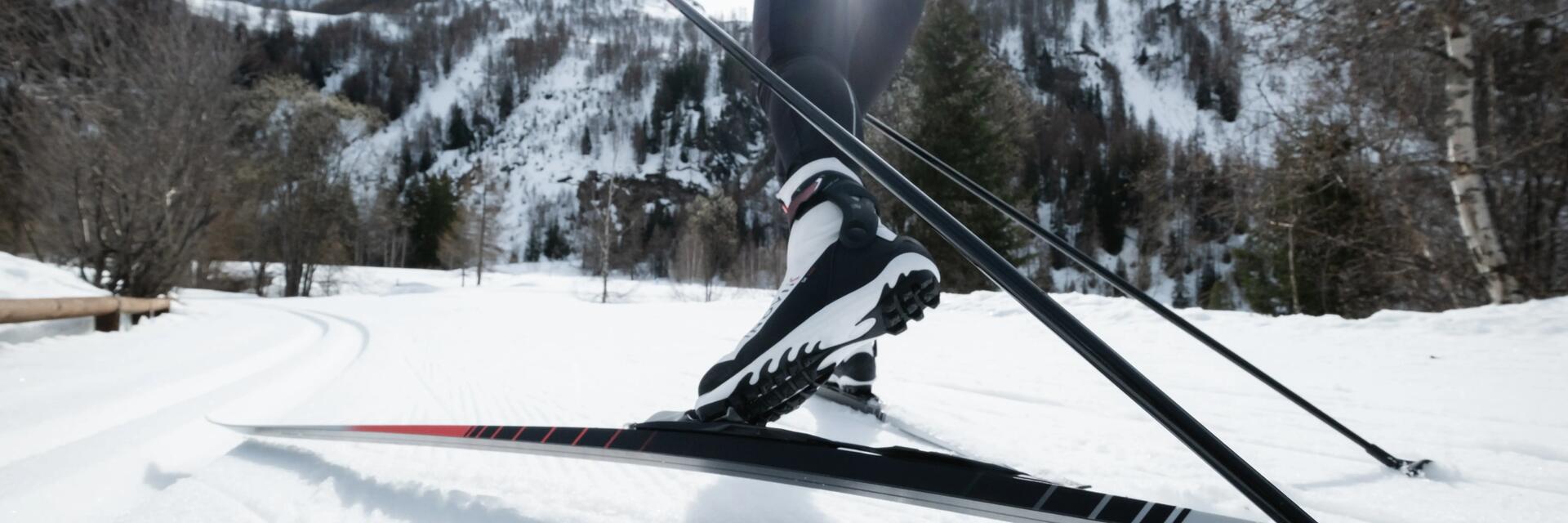
Skate skiing is the art of transforming groomed snow into a propulsion track. The skis open up in a V shape, and the upper body accompanies the skating stride with the push of the poles.
Unlike classic cross-country skiing, which is done on tracks and favours regularity, skating requires more physical effort. Your thighs burn, your breathing quickens, but the reward is immediate: a feeling of fluid speed that makes you want to go again and again.

To sum up: classic cross-country skiing is about quiet endurance, while skating is about power and fluidity.

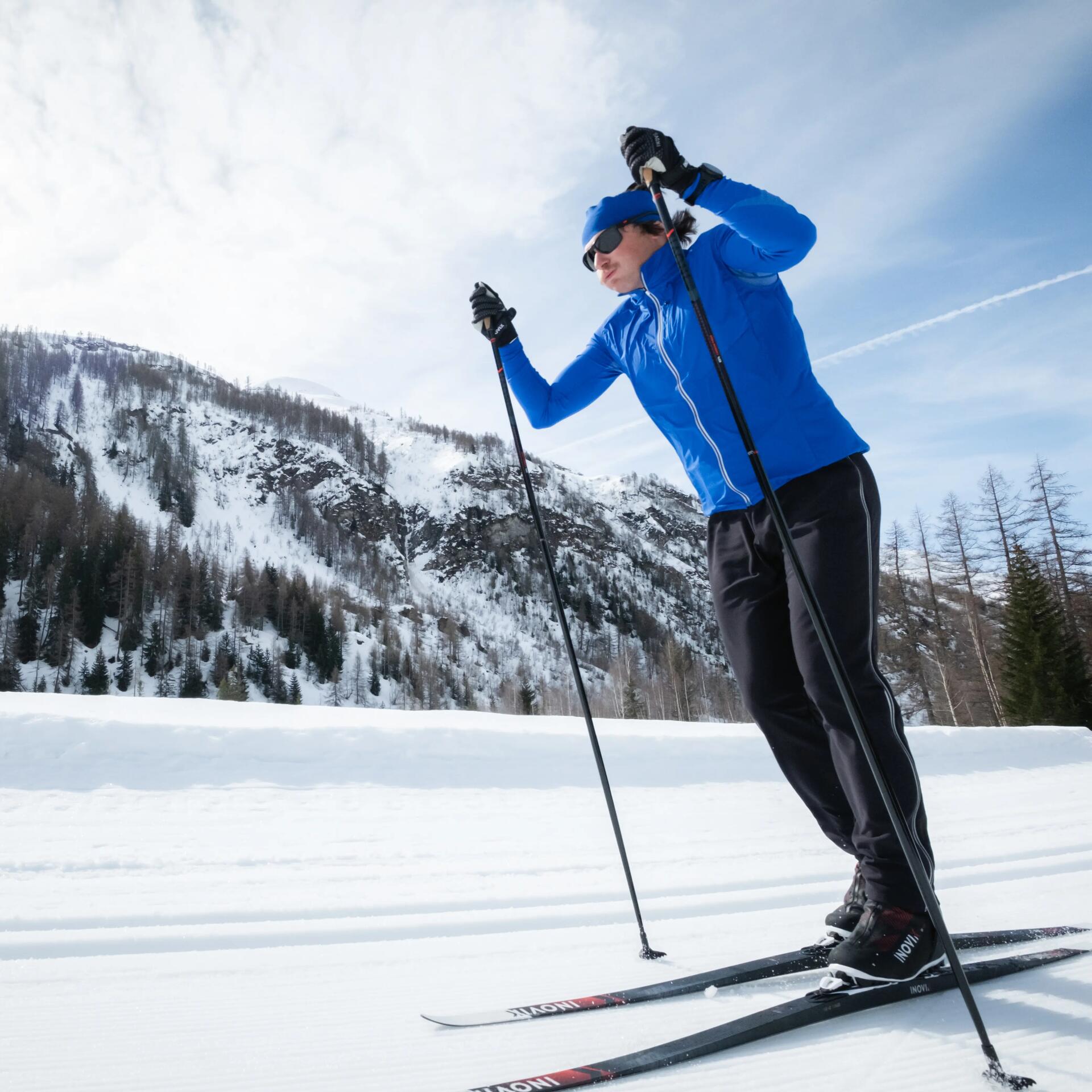
Define your skill level

It all starts with a simple question: how good are you at skating? This will determine your choice of equipment, because skate skis are not the same for beginners as they are for those looking for performance.

  • skate ski touring for beginners

    Beginner level

    If you are a beginner, your main aim is to find your rhythm and enjoy your first experiences of skiing without exhausting yourself. Forgiving, manoeuvrable and easy-to-handle skis will be your best bet for progressing smoothly and making sure the experience is fun.

  • skate ski touring for experienced skiers

    Experienced level

    If you are an experienced skate skier, you already have good balance and have mastered the basics of the skating technique. You are now looking to improve your speed, endurance and fluidity. To do this, you need a more dynamic type of ski that can keep up with your momentum and harness all your energy.

  • Expert level

    Finally, if you are an expert, your technique is fluid and natural. You are looking for performance, whether on long, intense outings or for competitions. Your skis must therefore offer rigidity, responsiveness and long-distance glide that never lets you down.

Choosing your skate skis

Choosing the right skate skis

Once you have determined your level of experience, it is up to your body to decide. Choosing a pair of skis is not just about choosing beginner- or expert-level skis; they must also suit your body type and weight to ensure efficient and enjoyable skiing.

The length of the skis is a key factor. We generally recommend choosing skis that are 10 to 15 cm longer than your height. Long skis promote a more fluid and stable glide, ideal for powerful starts and fast runs. 
Conversely, shorter skis offer better manoeuvrability, which can be an advantage for beginners or skiers who prefer turns and changes of direction.

The camber should be chosen according to your weight. It determines the grip and rebound of the ski: a well-suited camber allows you to push off, accelerate easily and maintain optimal contact with the snow. 
Conversely, an unsuitable camber reduces performance and makes skiing less enjoyable. The safest option is to follow the recommendations indicated on each ski model.

And if you already own a pair of skate ski boots, you will need to check that the binding standards are compatible between your boots and your new pair of skis.

Skate ski boots and bindings

Boots and bindings: an inseparable duo

You have all the information you need to choose your skis, but there is one more important point to bear in mind: the compatibility of the bindings.

Nowadays, all new skate ski boots and, in general, skate cross-country skiing boots are compatible with new skis, regardless of their brand: this was not the case in the past when there were different binding standards (PROLINK, NNN, SNS PILOT, SNS PROFIL, etc.), so you had to check compatibility.
If you are investing in new products, you won't have to worry about this, but pay attention to the brand and compatibility if you choose a pair of second-hand skis or boots. In this case, you can refer to this table, which summarises the different brands and standards, to check that the binding standards are compatible with your boots.

For more information, see our comprehensive guide:

Poles: your natural engines

In skate skiing, your poles are much more than just a support: they are real engines that propel you forward with every push. Without them, it's impossible to find the right rhythm, the right balance, or to transform your energy into speed. 
They play an essential role in balancing your body, supporting your movement and optimising technique and power. But for this system to work, you need to choose poles that are suited to your body type, your skating style and your comfort preferences. 

There are several criteria to consider:

  • Skate ski pole length

    Lenght

    Cross-country skiing poles must be the right length. Ideally, they should come to between your chin and nose.

    For a more accurate calculation, use this formula: skier's height * 0.89 = pole length.

  • Carbon or aluminium skating poles

    Material

    The choice of material also has a big impact on how the poles feel. 

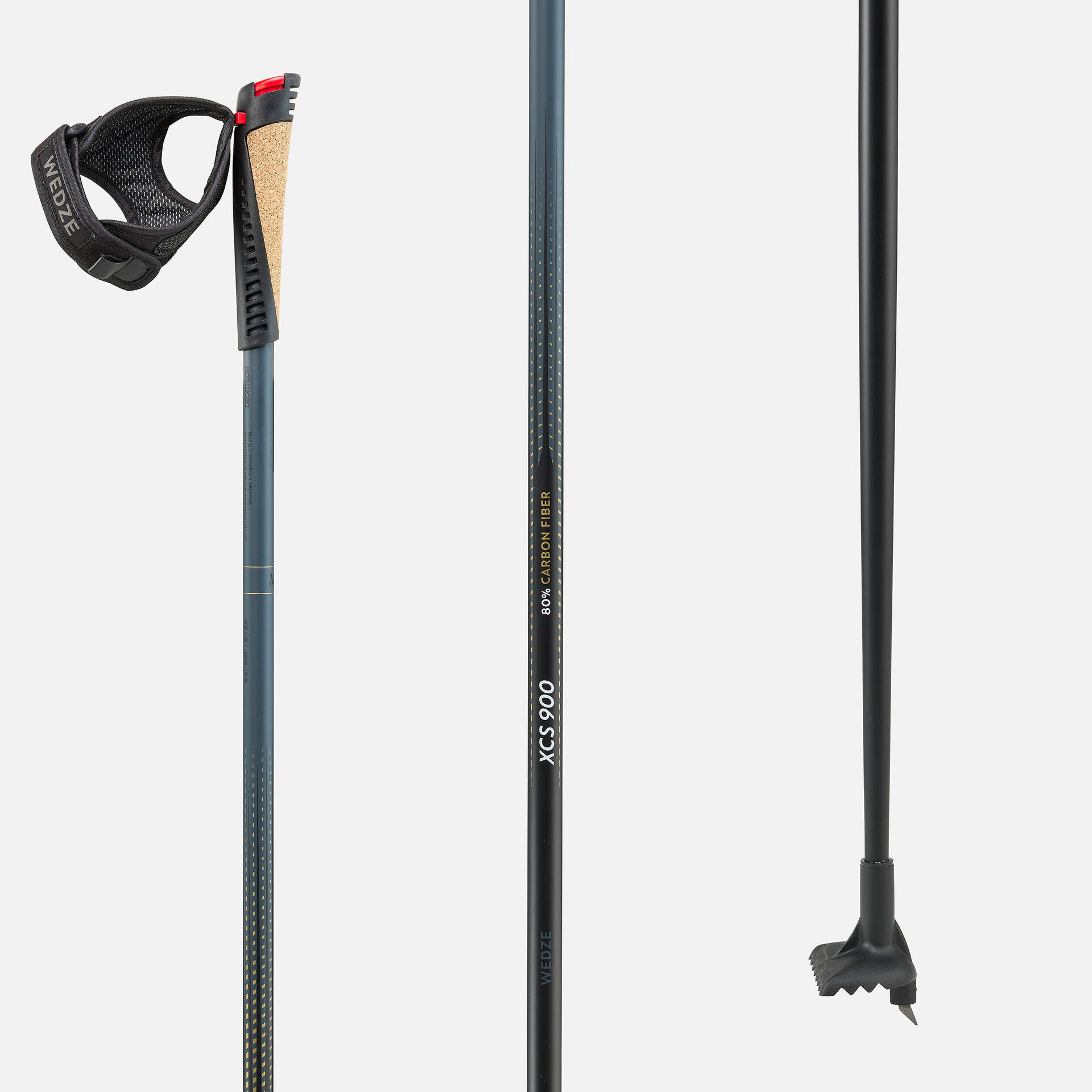
    • Carbon is lightweight and responsive, perfect for those looking for performance. 
    • Aluminium is known for its strength and resistance, making it a good choice for beginners or regular skiers.

  • Skate ski pole grips

    Grips

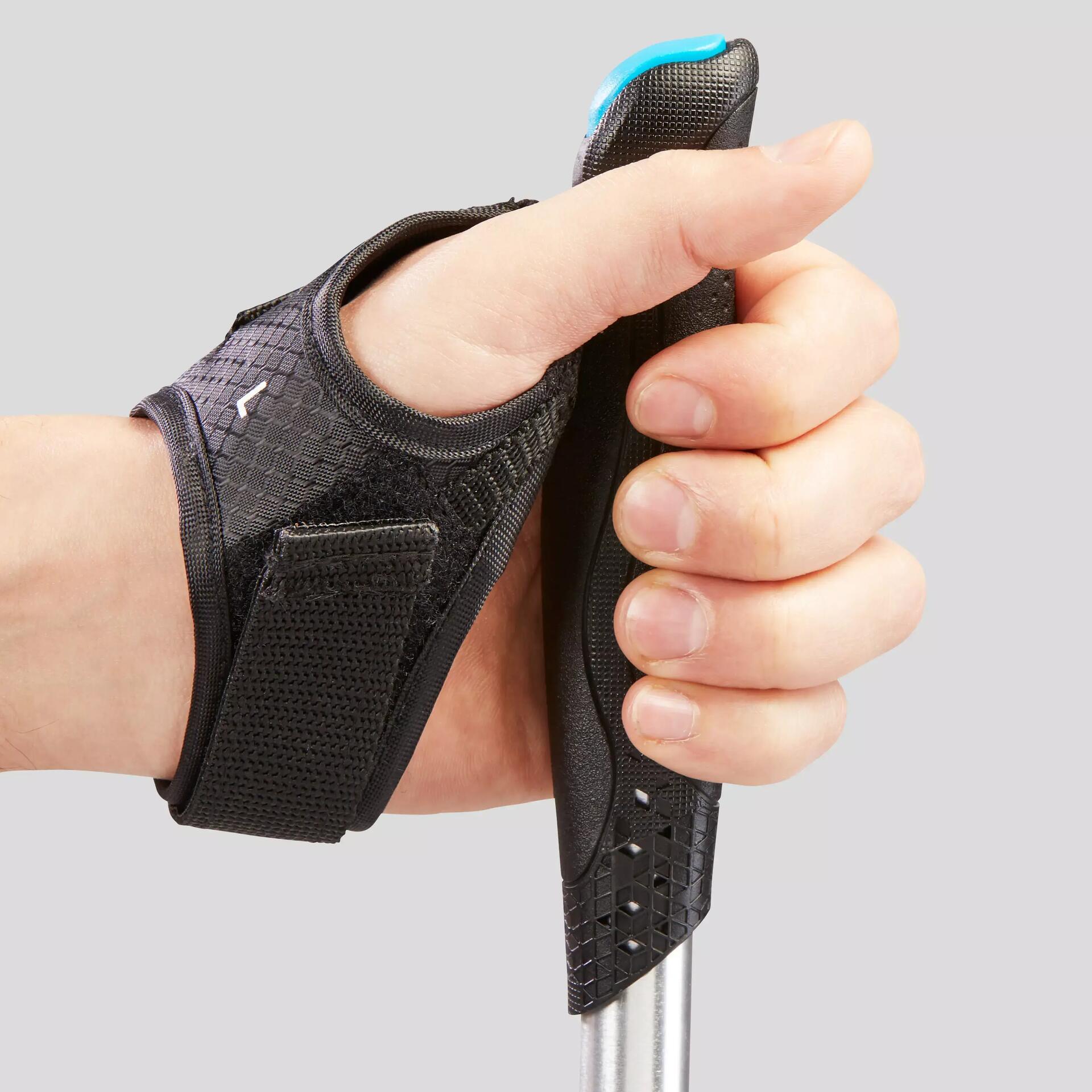
    Finally, grips and straps directly contribute to your comfort. 
    The gauntlet provides better support and optimal pushing efficiency, while the simple strap gives you more freedom of movement. 

    It's up to you to decide which ski poles are best for you based on your skiing style and preferences.

Accessories and safety for skate ski touring

Clothing, accessories and safety

Being well equipped means you can ski with peace of mind and enjoy every outing to the full. 

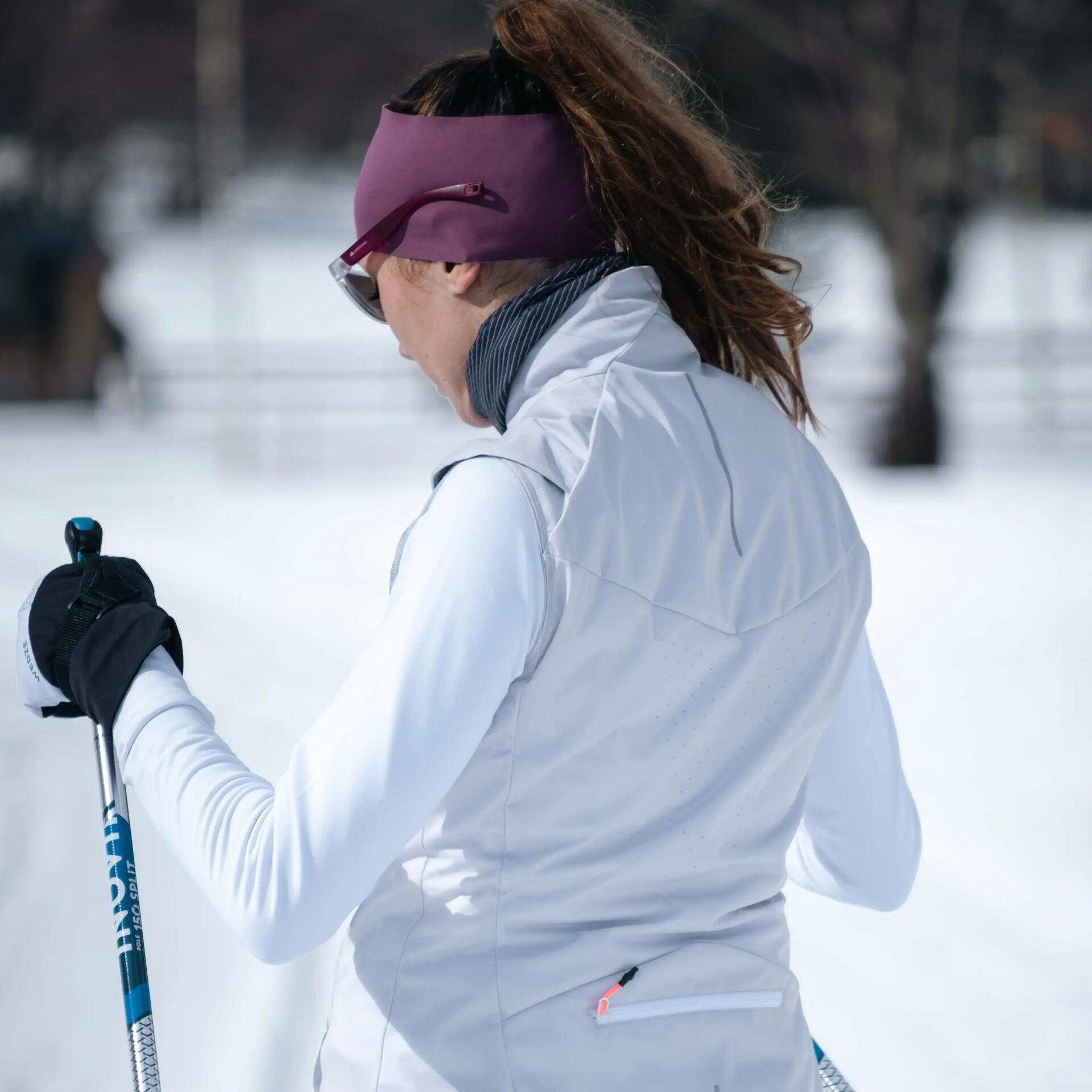
When it comes to clothing, we recommend opting for thin, breathable layers that wick away perspiration while keeping you warm. The idea is to stay light and free to move, without ever feeling weighed down.

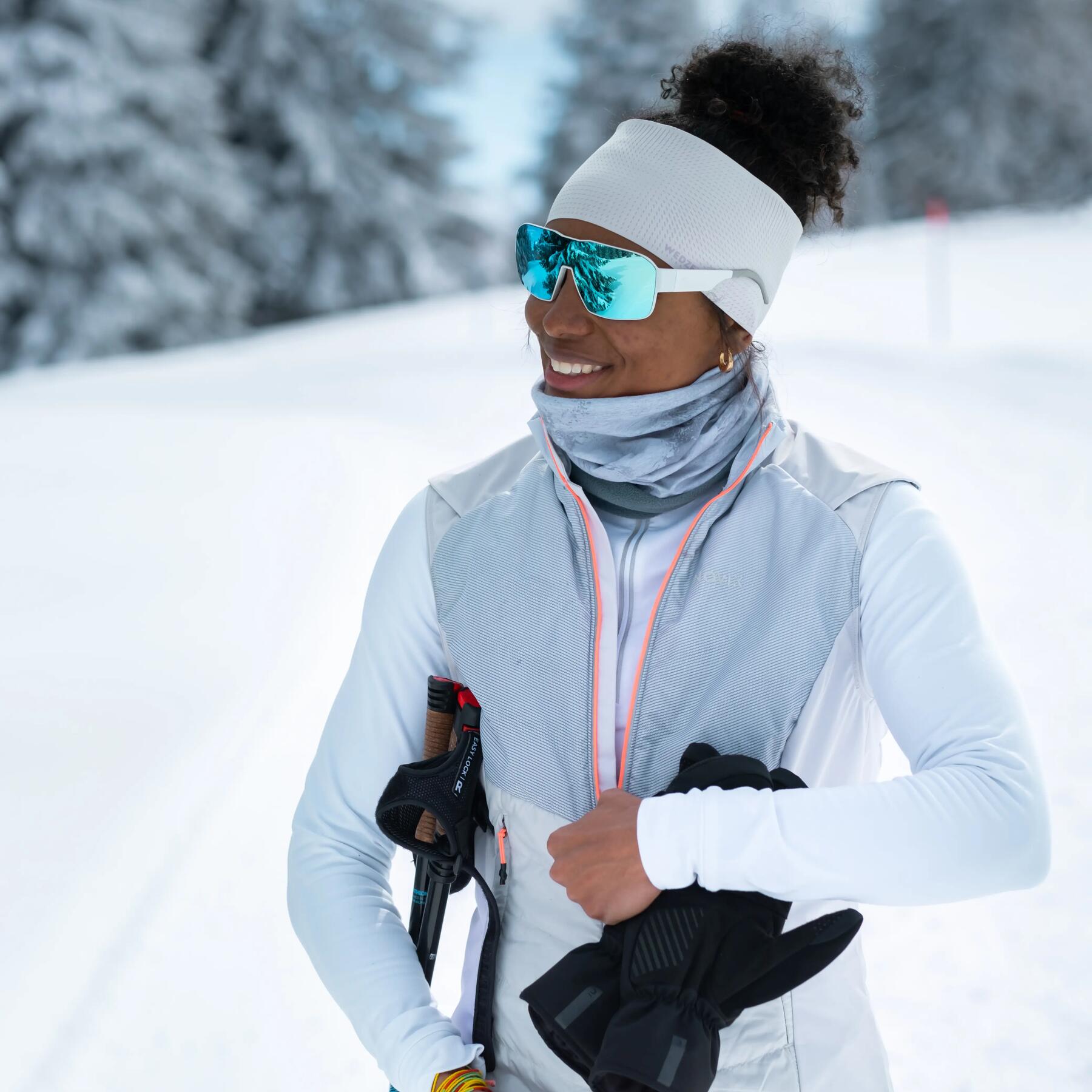
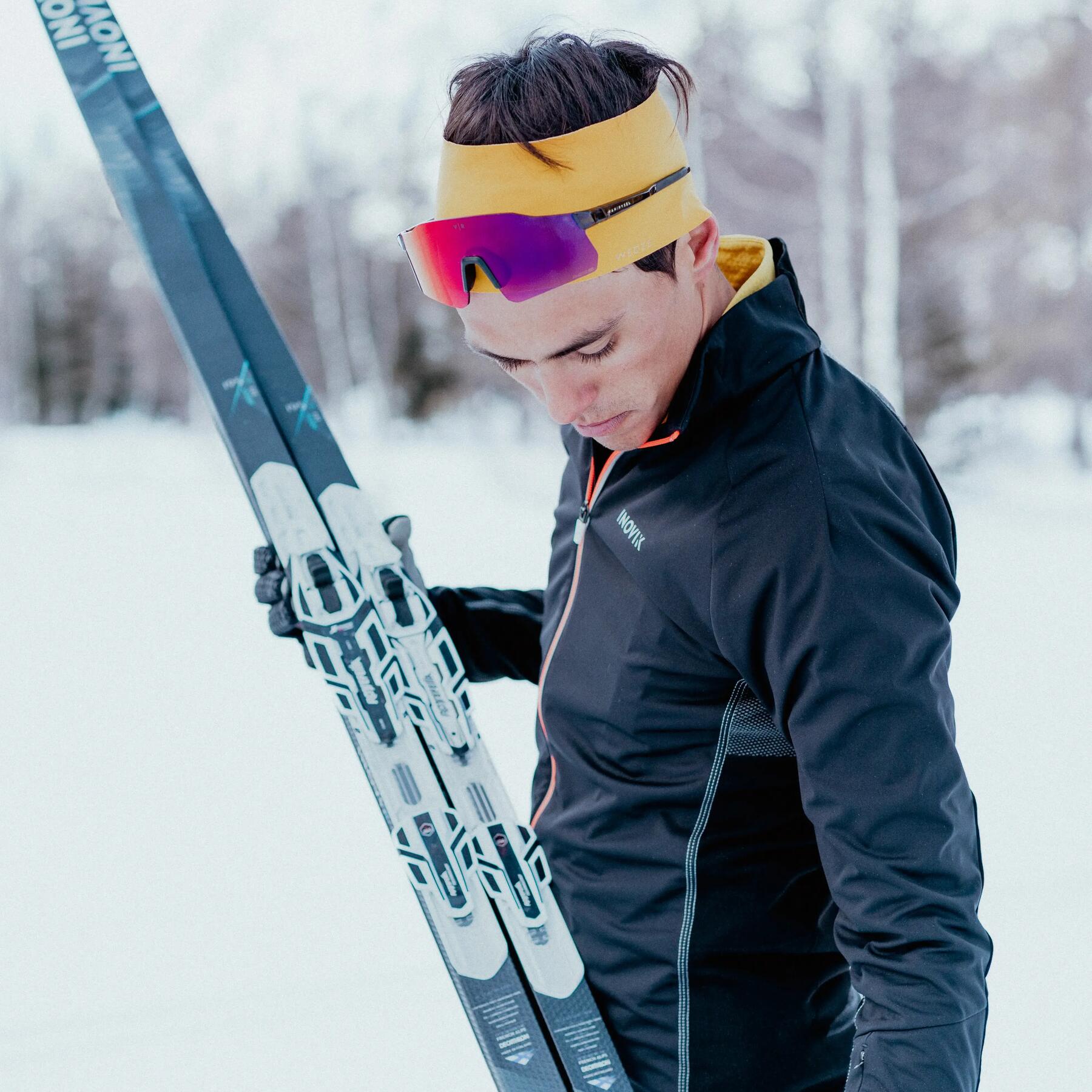
Don't forget the essential accessories: a lightweight hat to protect your head from the cold, suitable gloves that combine warmth and precision when gripping your poles, and sunglasses or goggles to protect your eyes from both UV rays and the glare of the snow. 
These small details make a big difference to your comfort and enjoyment of skiing.

When it comes to safety, there are some simple but essential steps to take. Always carry a water bottle or hydration pack to stay hydrated, even on the shortest outings, and get into the habit of checking the weather forecast before you set off. 
Knowing the snow, wind and temperature conditions will allow you to adapt your clothing, your routes and your pace, so that every outing remains a safe and enjoyable sporting experience.

Use and maintenance of skate touring skis

Use and maintenance

Well-maintained skis will glide smoothly and remain enjoyable throughout the season. After each outing, take the time to carefully wipe down your skis and bindings to remove moisture, melted snow and dust that could affect their performance. This simple step will make your equipment last longer and ensure consistent ease on the snow.

It is essential to wax your bases regularly. This not only maintains optimal glide, but also protects the base of the skis from wear and tear and drying out. Well-waxed skis glide more easily and better transfer the energy of your pushes, making your sessions more efficient and enjoyable.

Finally, think about storage and store your skis flat, in a dry place, away from heat and direct light, to preserve the rigidity of the materials and to avoid any deformation of the camber.

With these simple habits, your skis will perform better for longer and your outings will always be a pleasurable experience.

Summary

Skate cross-country skiing ski requires a little more energy than classic cross-country skiing, but it offers unique sensations in return.
To get the most out of it, choose your skis according to your level of experience (beginner, experienced or expert) and your body type, and always check that your boots and bindings are compatible.
Don't forget the importance of poles, which can really make a difference in the amount of support and momentum you have.
Finally, the right accessories and regular maintenance of your skis are crucial to ensuring comfort, safety and fun in the snow.

Mélanie

Passionate about snowy landscapes and cardio exercise

We also recommend our crosscountry skiing advice

Choisir ses bâtons de ski de fond

How to choose your cross-country ski poles: What size do you need?

Before choosing your cross-country ski poles, there are a few key factors to consider – your physical fitness and level of skiing, the type of wrist strap and grip you need, the required stiffness of the shaft and your height.