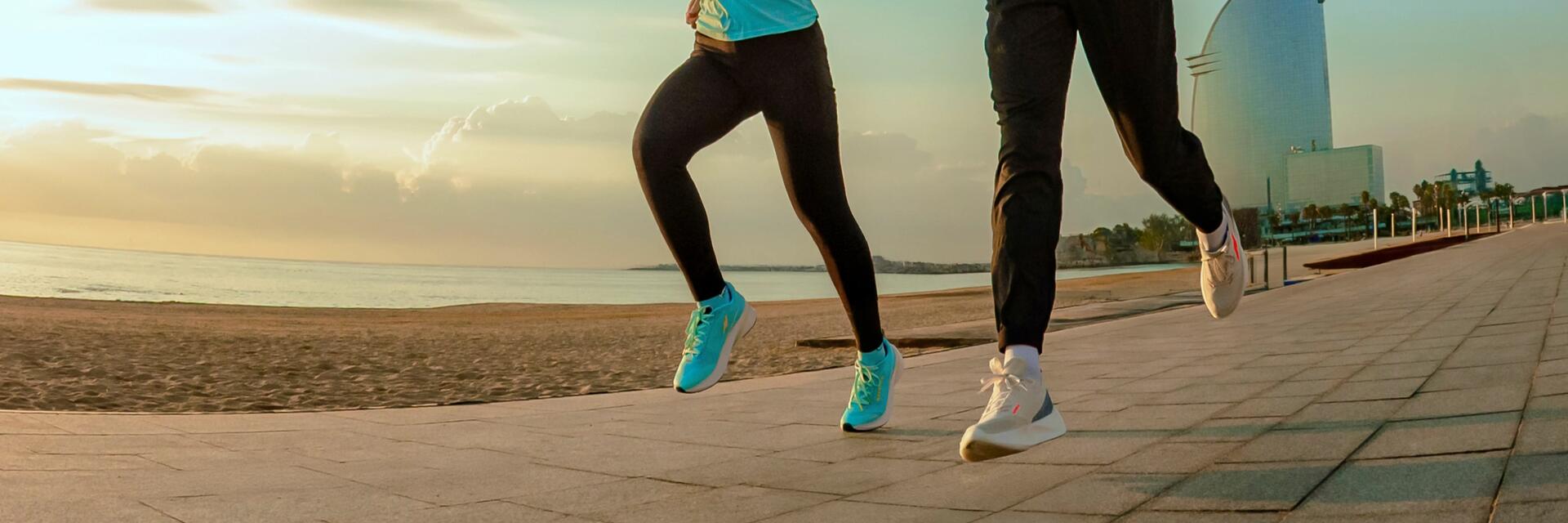
How to choose running shoes for beginners?

Are you new to running? Discover the essential criteria to consider when selecting the best pair of running shoes.

Starting running requires the right gear. To prevent injury and ensure comfort, your shoes must match your foot type and stride. From terrain to sizing, follow our guide to find the perfect pair for your debut.

Why take up running?

Running offers numerous benefits for your health, mental well-being and physical fitness. By starting this activity, you'll enjoy an outdoor sport that allows you to admire stunning landscapes, relax and set goals to achieve. Running also helps to keep you healthy, as it engages all the muscles in your body.

It promotes a sense of well-being, reduces cardiovascular risks, and strengthens your muscles, helping you build overall strength. If your goal is weight loss, running is often recommended because it increases energy expenditure when practised regularly. Additionally, joining a local running group can boost your motivation and give you the chance to share your new passion with like-minded individuals.
How to choose the best running shoes for beginners

When selecting a pair of running shoes, it’s important to focus on a few key factors to ensure they are suitable for your feet. By considering these factors, you will enjoy the numerous benefits this activity offers while ensuring optimal comfort. This way, running will become a true source of enjoyment, and you’ll likely want to do it regularly.

Comfort: When shopping for running shoes, take the time to try on different models to find the pair that feels the most comfortable. For running, it is important that your shoes are comfortable to prevent any injuries or blisters.

Your morphology: Generally, if you have a smaller build, it is advisable to choose lightweight running shoes to facilitate your movements while running. Their lightness will allow you to run for longer and faster. On the other hand, if you are taller, we recommend opting for shoes with good cushioning, as they will be more suitable for you. Your height and weight are important factors to consider when choosing the right running shoes that will support you during your many training sessions.

Stride: In the world of running, selecting the right shoes depends largely on your type of stride. There are three main types of running stride:
- Neutral (normal pronation): wear occurs on the front or back of the shoe.
- Pronated(overpronation): wear is concentrated on the inner edge of the shoe.
- Supinated (underpronation): wear is focused on the outer edge of the shoe.

Understanding your stride type helps you choose shoes that correct your natural stride, reducing the risk of pain while running. To identify your stride type, examine an old pair of shoes to see where the wear is most prominent.

The shape of your foot: One of the first steps in choosing the right pair of running shoes is to understand the shape of your foot. Currently, there are three main foot shapes:
- Egyptian: Your big toe is longer than the others.
- Greek: Your second toe is longer than your big toe.
- Roman: Your first three toes are aligned and of the same length.

Running surface: When selecting running shoes, the type of terrain you’ll be running on plays a significant role. Depending on whether you’ll run on asphalt or forest trails, your shoes will need different levels of cushioning. Generally you can run on:

- Roads, which requires shoes with excellent cushioning, improved stability and optimal comfort.
- Mixed paths or roads, which calls for good stability, optimal cushioning, and superior support to protect your feet from injuries.
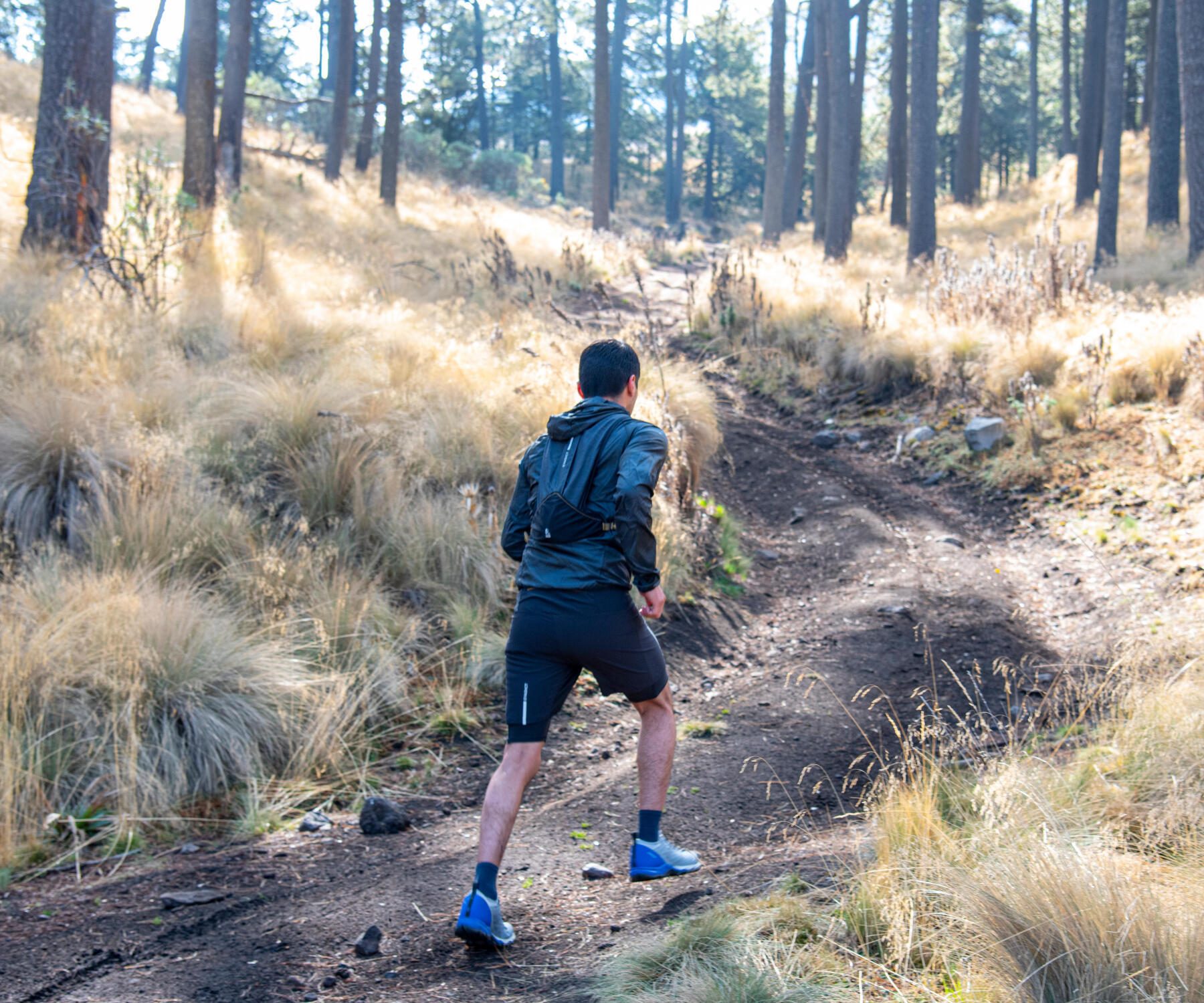
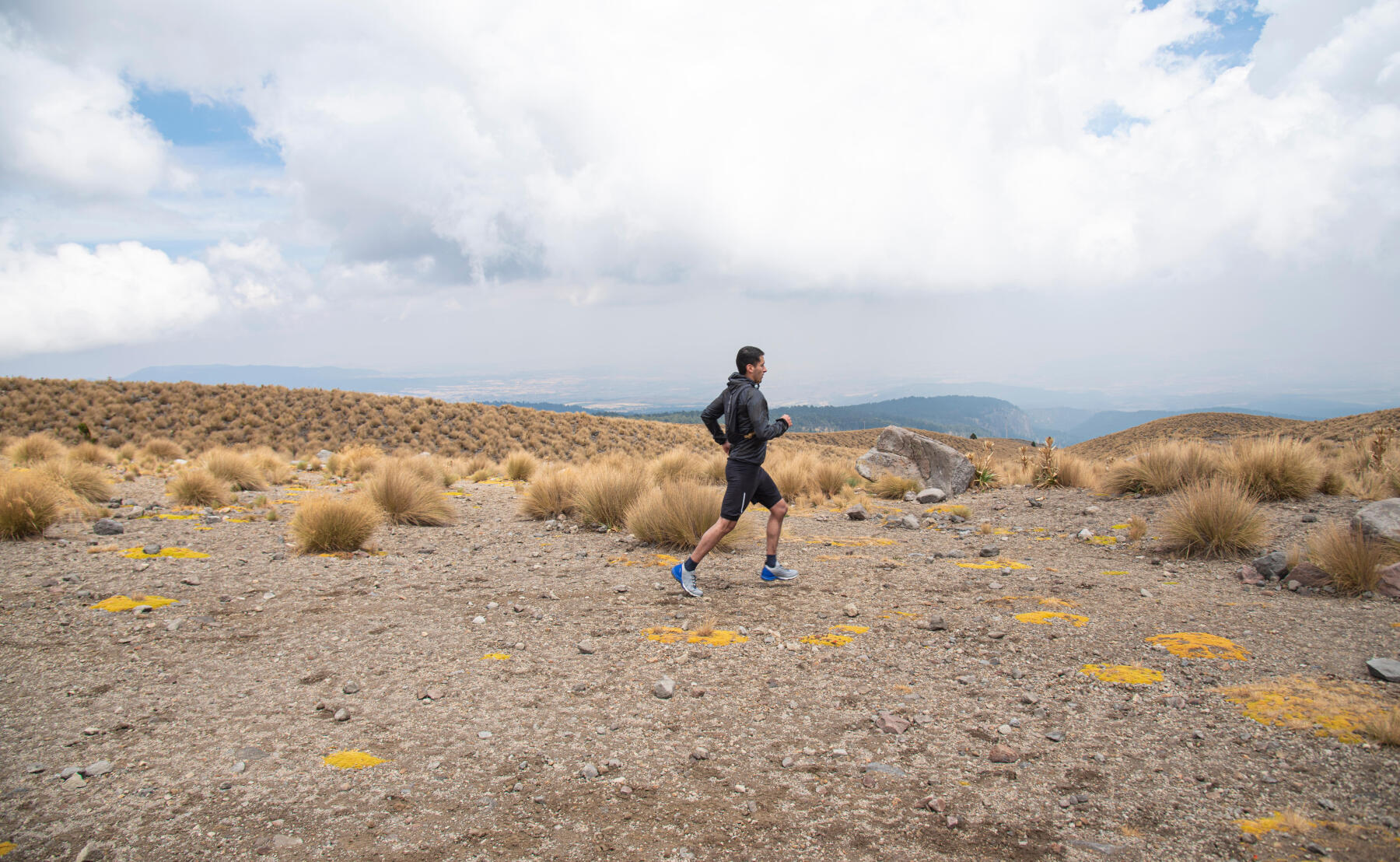
- Uneven trails for trail running, which demands specialised shoes that provide strong grip and sufficient protection against potential impacts or obstacles.
- A track, which requires shoes with good traction to enhance your sensations and optimise performance.

Running level: For beginners, a pair of running shoes with good cushioning and optimal comfort will be ideal. If you plan to participate in longer races, such as a half-marathon or marathon, it is advisable to have several pairs of running shoes so that you can alternate between sessions.

If you do more than three training sessions per week, regularly changing your shoes will allow each pair to air out, providing you with maximum comfort every time you wear them.
Training frequency: Your training frequency will depend on your objectives. If you’re taking up running for relaxation or regular physical activity, you might run between one and three times per week. However, if your goal is to prepare for a specific race like a half-marathon or marathon, your training frequency is likely to increase to five sessions per week.

How to determine your shoe size for running shoes

When you start running, you will quickly notice that if you do not wear shoes that are suitable for your feet or your size, blisters will appear due to the regular friction of the shoe against your foot.


During your training sessions, your foot expands and lengthens when it makes contact with the ground, and then it narrows again as soon as it is no longer touching the ground. For this reason, once you’ve measured the length and width of your foot, it’s recommended to choose running shoes that are half a size larger than your usual shoe size. This will help you avoid friction and allow your feet to breathe more easily.

Essential equipment for beginner runners

If you're planning to start running, one of the appealing aspects of this activity is how affordable it can be. To kick off your training sessions, here’s the essential gear you’ll need:
- A quality pair of running shoes
- A T-shirt
- Shorts or leggings, depending on the season
- Running-specific socks

You've likely gathered that choosing the right shoes is the most important factor. It’s better to allocate a larger budget for a good pair of running shoes than for clothing, which only needs to be breathable. Consider also choosing reflective clothing to ensure you are visible when running at night.

How to take care of your running shoes

With every run, your shoes are put to the test, whether it's due to the terrain you're running on or the sweat from your feet. To ensure that your running shoes provide maximum comfort every time you wear them, it is important to take proper care of them.

- Clean your running shoes properly: If you often run on muddy trails or in parks, your shoes will likely be in poor condition after your session. You’ll need soap, water, a brush or sponge, and some elbow grease. Use a sponge to wipe away as much mud and dirt as possible. For tougher spots, lightly dampen a brush and scrub the areas again to remove the remaining debris.

Take out the insoles and let them air dry after cleaning. This helps to prevent unpleasant smells caused by foot sweat. However, do not dry your shoes or insoles in direct sunlight, as the heat may warp them. Remove the laces and wash them separately for a thorough clean.

- Dealing with moisture in your running shoesTo extend the lifespan of your running shoes, it’s crucial to clean and dry them properly. By following these simple tips, they will remain effective and comfortable for several years. Sprinkle some talcum powder inside your shoes to absorb excess moisture and keep them fresh.

Apply anti-bacterial spray, making your shoes more comfortable and pleasant to wear at every session. With proper maintenance, your shoes will have a longer lifespan.

You are now ready to find your perfect running shoes! Prioritise comfort and size up to avoid blisters. Don't forget proper maintenance to make them last. Time to hit the road!