Which binding to choose according to my type of skiing?
If you’re on this page, you probably know that you need different bindings depending on the type of skiing you’re doing. Here’s an overview of the differences.
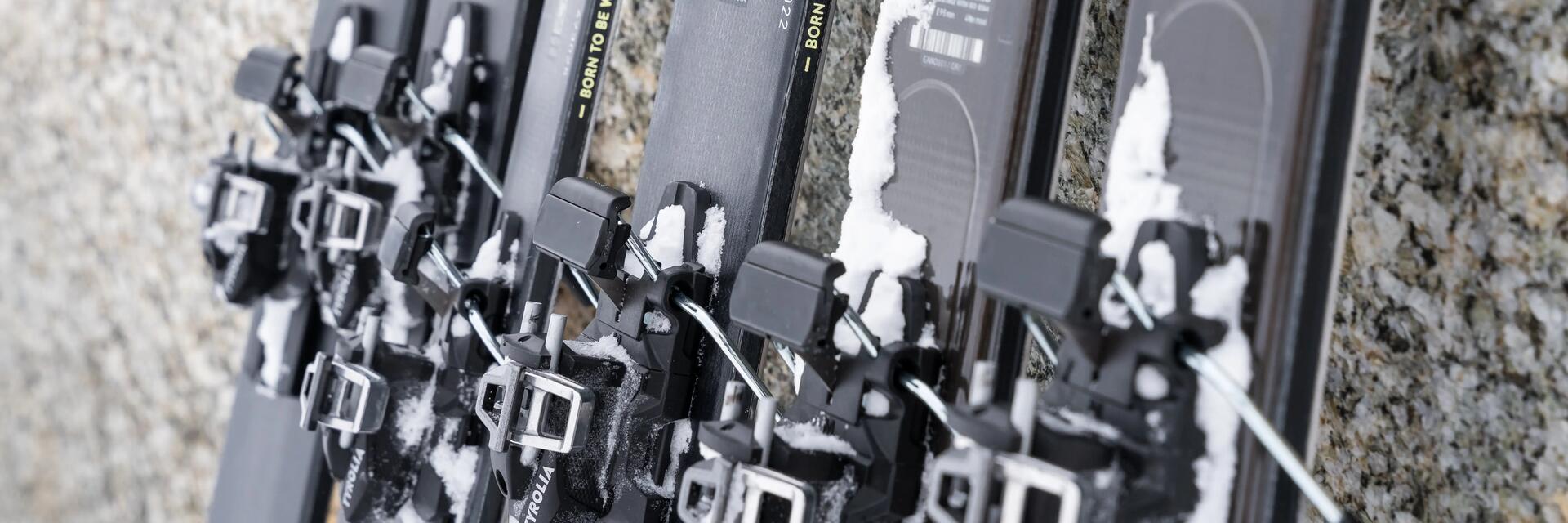
Choosing ski bindings can quickly become a real headache. Don't panic: we'll guide you step by step to help you identify the most suitable binding.
As a beginner, you can buy a pack of skis + bindings. These packs work very well and you can adjust them to fit your ski boots perfectly. But when you’re an experienced skier, you can buy bare skis to choose the binding that suits you best. How to choose the right ski bindings ?
If you’re on this page, you probably know that you need different bindings depending on the type of skiing you’re doing. Here’s an overview of the differences.
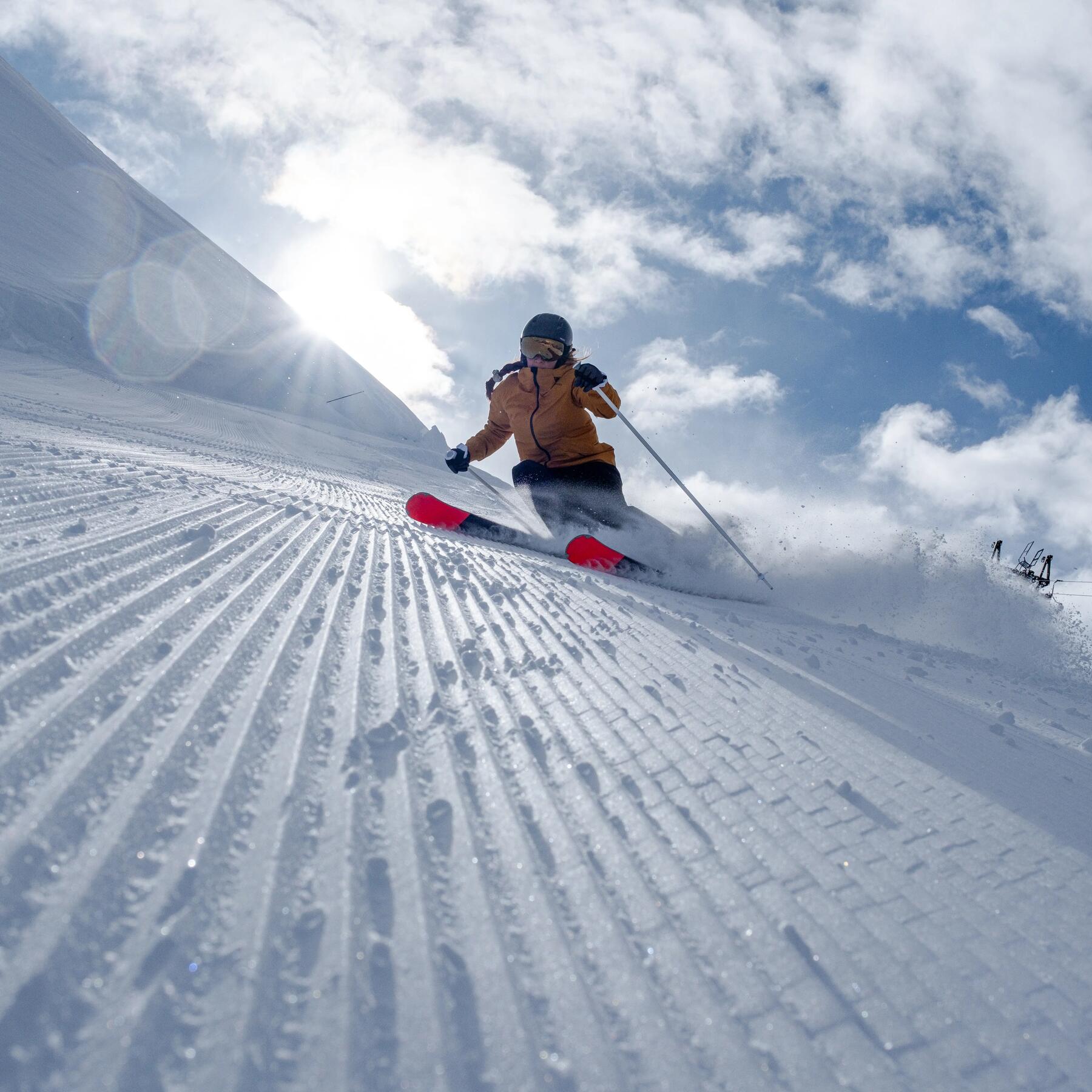
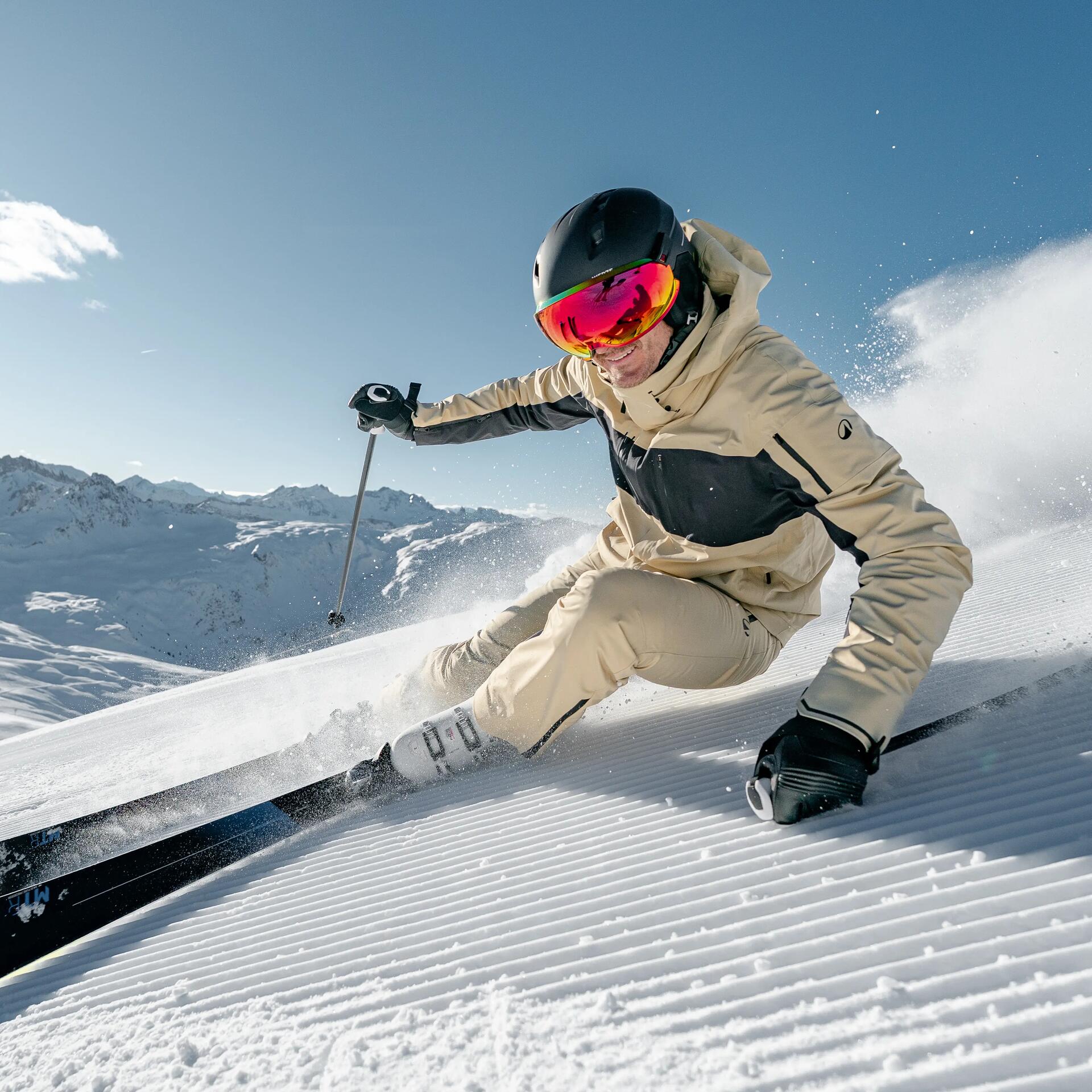
In downhill skiing, most models are sold as a package, with the skiing equipment and its system already integrated. This is the case at Decathlon. Each ski is fitted with a binding, which has obviously been selected to match the skier’s level. Beginners will find what they are looking for with safe equipment, as will experts. These packs have the advantage of offering skis with bindings that can be easily adjusted to suit different body shapes.
Please note, if you lend your skis to someone else to try out: pay close attention to the settings. We’ll give you all the information you need for this at the end of this article.
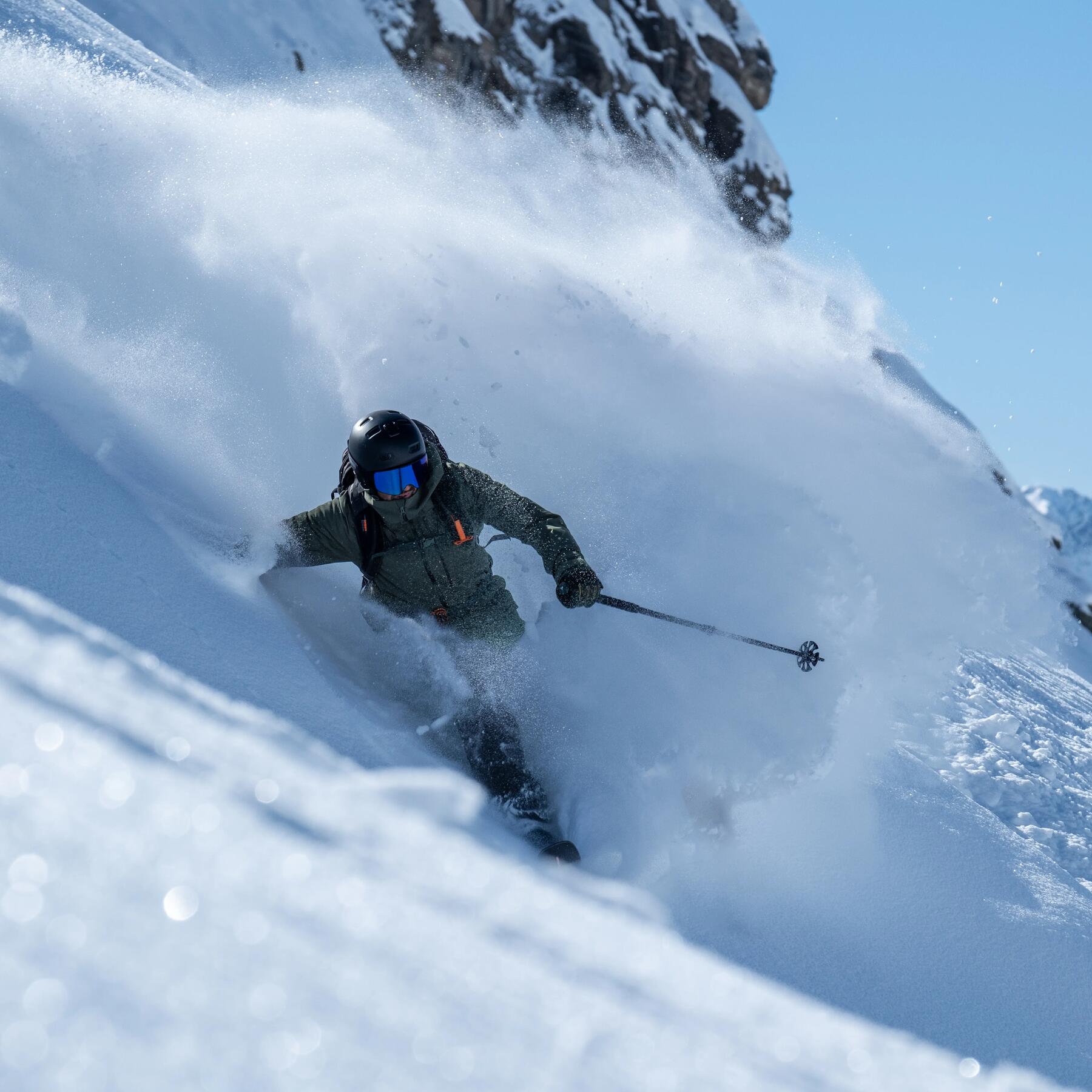
Choosing bindings designed specifically for freeride skiing ensures greater comfort and safety during your outings. The main difference between the systems used in alpine skiing and those used in freeriding is the width of the stance: freeride bindings have a wider distance between the screws, which gives them greater strength and reduces the risk of them coming loose in demanding conditions.
These bindings also offer a higher DIN setting, to accommodate powder enthusiasts who are more aggressive on the descent. If you are looking for lightweight equipment to conquer virgin slopes, opt for lighter bindings.
Elasticity is another important criterion: a freeride binding with good shock absorption makes it easier to handle uneven terrain. This more flexible contact with the skis improves the feel on the snow, which is a real plus for enjoying yourself to the full.
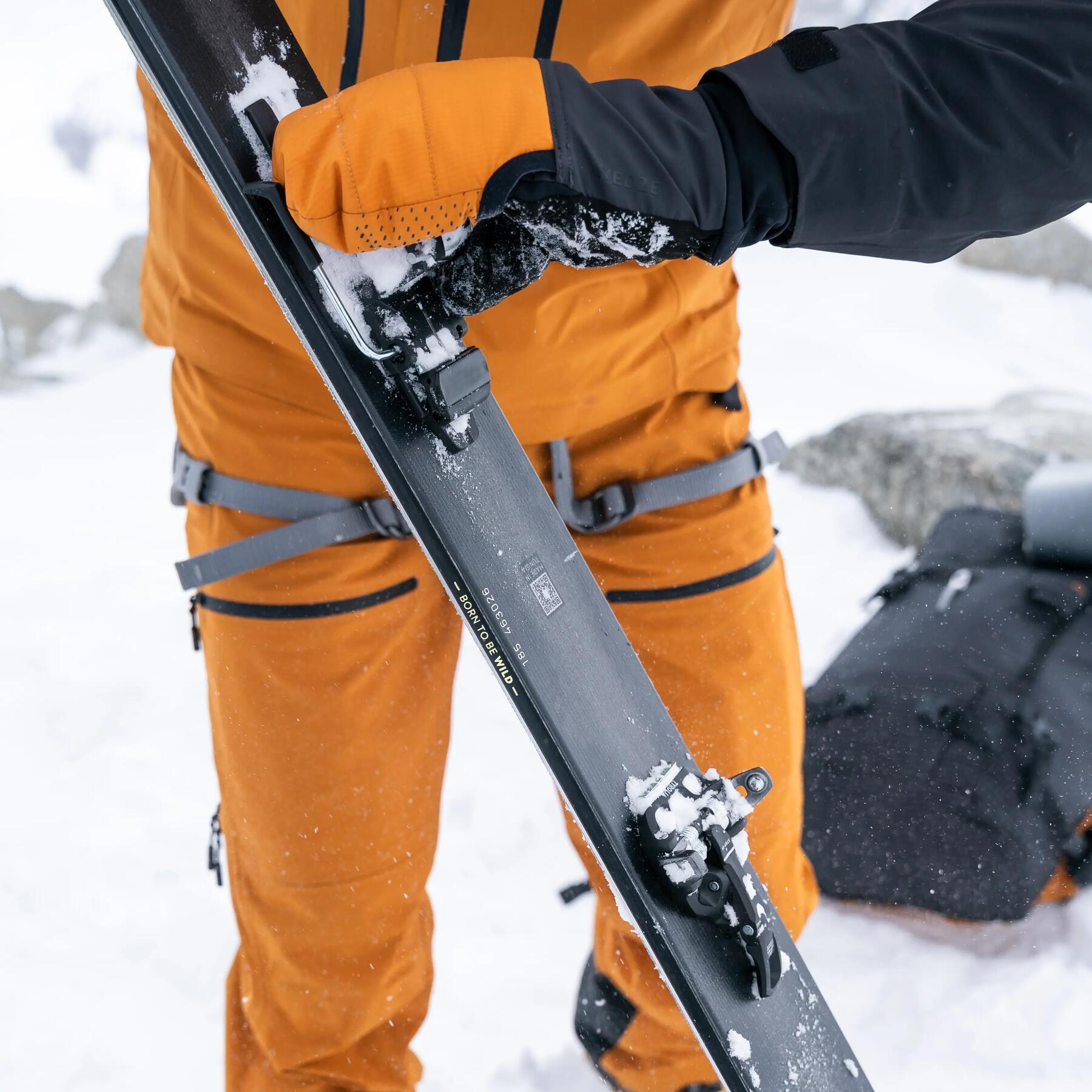
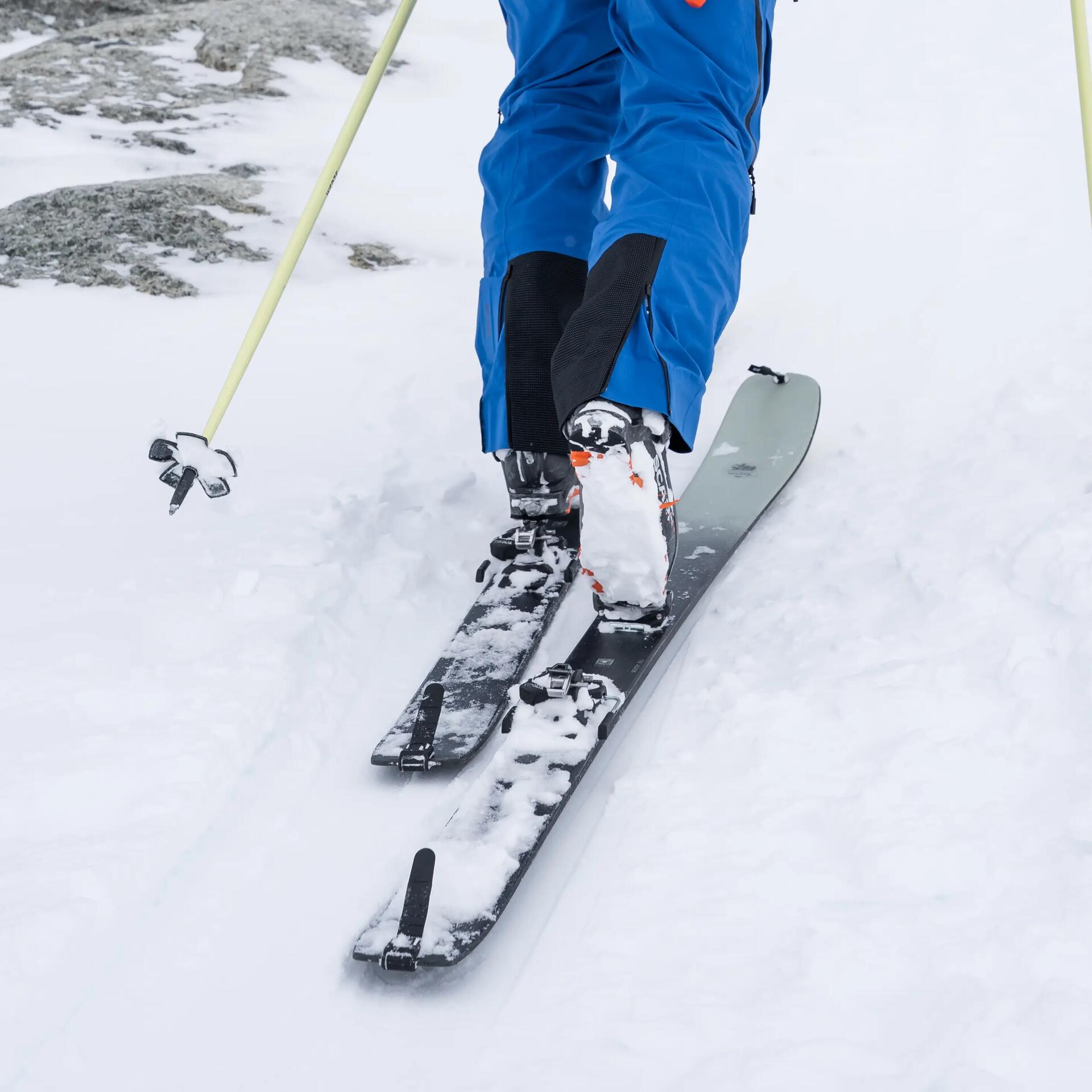
Ski touring requires a particular effort, and lightweight equipment is crucial. Bindings for this activity are therefore designed with very lightweight technical materials, such as aluminium and carbon, to reduce weight during ascents.
There are several types of bindings, but all of them must be able to free your heel to climb the slopes without using the ski lifts. As with downhill skiing, at Decathlon all our ski touring skis are sold as a "package" (with the bindings already mounted); but there are other criteria to consider. We’re talking about bindings with Low Tech inserts, hybrid bindings or even bindings that can slide for beginners.
For beginners, these so-called "detachable" bindings are safe for downhill skiing and do not require special boots. They resemble alpine bindings, with a toe piece and heel piece, but are mounted on a hinged plate rather than screwed on. They allow you to use the same pair of skis for both touring and on-piste skiing. However, they are the heaviest bindings on the market, so they are less suitable for enthusiasts who are looking for lightweight equipment.
For more serious skiers, Low Tech insert bindings are ideal. Widely used, they offer a good balance between support and weight. They feature two inserts on the toe piece that clamp the boot at the toe box (on suitable boots) and an adjustable heel piece for climbing or descending.
The skier's weight is an important factor when choosing bindings as each model covers a DIN adjustment range (release value) adapted to this criterion. We will come back to this a little later.
Finally, for those who combine freeriding and touring, known as freerando, hybrid bindings are available. These allow the heel to be released for ascents without compromising the robustness required for descents.
As you can see, your equipment varies depending on how you ski. Before purchasing your bindings, it is therefore essential to check compatibility with your boots, which are standardised: the two current standards determine the shape and size of the sole overhang (front and rear), which guarantees support on the binding.
Downhill standard (ISO 5355)
This is the most widely used standard. Alpine boots have a plastic plate under the heel and toe, which increases safety by improving energy transfer when releasing the ski.
Ski touring standard (ISO 9523)
It’s the sole that differs, making walking easier and more natural. ISO 9523 standard boots may have different heel inserts or heel heights than classic boots.
You have chosen your bindings, and now it is essential to adjust them for safe skiing. If they are too tight or not tight enough, the skier can either take off their boots too easily, or keep them on their feet during a fall when it would have been better to take them off. They are adjustedaccording to your weight, shoe size and ability.
Important to note: if you are not an expert, adjusting your ski bindings can be dangerous. We strongly recommend that you seek professional help to limit the risks.
If you’re comfortable, follow this tutorial, which gives you all the information you need. For those who prefer to read, everything is explained below.
Start by adjusting your bindings according to your shoe size, which is measured in Mondopoint: you will find the number directly on your boot. This adjustment is often done by hand, using a small plastic tab that you can lift to unlock, slide your binding into place, then lower to re-lock.
Next comes the DIN value, which is also known as the release value. This is the tightness that makes it easier or more difficult to take off your skis in a fall. Adjustment is usually done with a screwdriver (you can readjust this release value at the ski lifts, which often have them available for self-service).
We're there: Now you know all there is to know about bindings! You can now narrow down your search for equipment before enjoying the winter on the slopes or on a tour.

Hiking in summer, skiing in winter, at altitude all year round